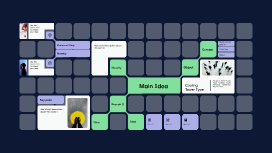
Interactive World Map Presentation
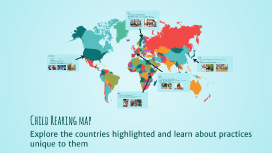
Transcript: Sweden Children nap outdoors in strollers, even during cold weather. - Believed to strengthen immunity and connection to nature. Parenting style: Calm and egalitarian — no spanking, open communication, and respect for children’s opinions. School culture: Teachers are addressed by first names, and students are encouraged to speak up respectfully. United States Japan Parents encourage children to make choices early — choosing clothes, hobbies, or meals. Sleep arrangements: Babies often sleep in separate rooms to promote independence. Discipline style: Many families have transitioned to use time-outs or positive reinforcement rather than physical punishment. These practices are done in hopes of building self-esteem, personal goals, and freedom of expression — children are taught that their opinions matter. Develops individuality, confidence, and decision-making skills. Practice: Young children often walk or take public transportation to school alone. - Builds trust, independence, and responsibility in a culture with strong community safety. At school: Students clean classrooms, serve lunch, and work in groups. - Encourages cooperation, humility, and social harmony. France Parents establish strict meal and bedtime routines. - Fosters self-control, consistency, and respect for rules. Children are taught to greet adults politely (bonjour, merci) and participate in adult conversations at meals. - Builds social confidence and courtesy. No separate “kids’ food” — children eat the same meals as adults. Kenya Older siblings care for younger ones and help with daily chores. - Instills responsibility and cooperation early in life. Parents rarely give direct orders; children learn through observation and imitation. - Develops self-discipline and awareness of social expectations. Child Rearing map Explore the countries highlighted and learn about practices unique to them

 Prezi Present

 Prezi Video

 Prezi Design