You're about to create your best presentation ever

Harmony Usability Powerpoint Presentation Template

Create your presentation by reusing a template from our community or transition your PowerPoint deck into a visually compelling Prezi presentation.

Usability Presentation

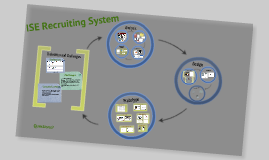
Transcript: Ideation and Sketching Questions? Professor Information Artifact Model Design Informing Models Dashboard Support Recruitment Weekend Events Physical Model Mobile App Support WAAD Evaluation and Challenges Contextual Inquiry Graduate Coordinator VT Faculty Current VT Students (international and domestic) Students who attended recruting weekend Current VT students who are prospective graduate students Group "Mock Recruiting Weekend" meeting VT ISE Social Evaluation Current Recruiting Weekend Documentation ISE Recruiting System Design Social Model Usage Models Contextual Analysis Double click to crop it if necessary Designers Mental Model Hierarchal Task Inventory Interviews You can have great ideas, but you need to make sure people involved are willing to take the time to take advantage of the features Wireframes need to be done in a group setting to ensure consistency Accessibility to potential users Open Forum – how to monitor (if you make it open, how to monitor. If you have to be approved to be added, limits users), how to ensure questions are answered Clear navigation Contradicting requirements from different sets of users Analysis Ecological Perspective Work Environment Models Storyboards Emotional Perspective System Concept Statement Prototype Work Flow Diagram Task Interaction Model Thanks Team 6! Challenges Work Roles Lessons Learned Onboarding Page Design Requirements User Models Requirements and Models Current System Essential Use Case Task Interaction Model Interactive Perspective

PowerPoint Presentation Template

Transcript: Introduction to PowerPoint Designing Effective Slides Importance of Visuals Visuals play a crucial role in retaining information, with studies showing that people remember 80% of what they see compared to just 20% of what they read. Incorporating images, graphs, and diagrams can clarify complex concepts, making them easier to understand and recall. Benefits in Education PowerPoint presentations promote active learning by encouraging interaction and participation. They provide a structured format that helps educators convey information efficiently, making lessons more engaging and memorable for students. Overview of Template Features Choosing the Right Colors Modern PowerPoint templates include various features such as built-in design ideas, customizable layouts, and multimedia integration. These features can streamline the creation process, allowing educators to focus on content delivery rather than design. Typography Best Practices Color choice significantly impacts audience perception and emotional response. Utilize complementary colors for contrast and legibility, ensuring text is easy to read against backgrounds. Consider color psychology while selecting palettes to evoke desired feelings related to your content. User-Friendly Design Elements Effective typography enhances readability and accentuates crucial information. Use no more than two font families, maintain adequate contrast between text and background, and keep font sizes consistent—generally, 24pt for headings and 18pt for body text work best. Animations and Transitions Incorporating Graphics and Images Animations should be used sparingly to avoid distracting the audience. Subtle transitions can guide attention and maintain flow, while key points may be animated for emphasis, helping to engage viewers without overwhelming them. Visuals can reinforce messages and make slides more engaging. Limit image use to enhance rather than clutter, selecting high-quality graphics that support the content and ensure they're relevant to the key points being communicated. Enhancing Audience Engagement Content Structuring Techniques An Educational Resource for Engaging Learning Incorporating Data and Charts Outlining Key Points Q&A Sessions Interactive Elements Incorporating interactive elements like polls, quizzes, and live demonstrations enhances engagement. Research indicates that interactive presentations can increase retention by 50%, making the learning experience more dynamic and memorable. Visual data representation through charts can highlight trends and insights effectively, aiding understanding. Graphs and infographics can convey complex information quickly, making them essential tools for impactful presentations. Clear outlines serve as roadmaps, guiding both presenter and audience through the content. By identifying primary topics and subtopics, speakers can enhance focus and ensure comprehensive coverage of essential material in educational presentations. Q&A sessions facilitate real-time interaction, allowing audience members to address their specific inquiries. This not only clarifies doubts but also fosters a sense of community and open dialogue, increasing audience investment in the material. Feedback Mechanisms Best Practices for Delivery Engaging Storytelling Methods Using Bullet Points vs. Text Implement feedback mechanisms such as surveys or feedback forms post-presentation. This provides valuable insights for improvement and shows the audience their opinions are valued, further enhancing engagement. Effective delivery can significantly boost audience engagement. Key practices include maintaining eye contact, using varied vocal tones, and practicing clear body language to foster a more engaging atmosphere throughout the presentation. Bullet points simplify information, allowing key ideas to stand out without overwhelming the audience. They enhance retention by categorizing concepts, while full text blocks can dilute focus and engagement in presentations. Storytelling captivates audiences, allowing them to relate to the material personally. Incorporating storytelling techniques can enhance emotional connection, making the content more relatable and memorable for learners.

Usability Presentation

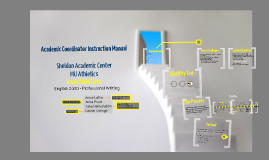
Transcript: Thank you Created presentation Made sense of usability tests Added feedback to instruction manual October 23 Worked on proposal, usability tests and discussed our specific roles in the project General description of job Tutor/Mentor Coordination Student Athlete Coordination Month by month breakdown of tasks Kept track of meeting minutes Updated wiki page What does the Academic Coordinator do? October Louise Torgerson - Academic Coordinator Alicia Hatcher - Graduate Assistant Beth Maher - Graduate Assistant The Total Person Program exists to assist student athletes take full advantage of their collegiate experience by providing academic support services such as, Mentoring Tutoring 150 Mentors and tutors offer academic support specifically designed for each student athlete These services were originally intended for at-risk students, but have grown to accommodate all student due to the success of the program Mentors and Tutors are recruited and hired at the end of each semester To ensure consistency and quality of the program, mentors and tutors are evaluated and the feedback is used at yearly staff retreats English 2030 - Professional Writing To create a manual which helps delineate the role of an academic coordinator at MU Athletics The manual should be Simple to use Straightforward Deliver results November Academic Coordinator Instruction Manual Sheldon Academic Center MU Athletics November 1 Added revised usability tests Worked on creating a timeline Oversees the the tutors and mentors of the Total Person Program Assists student athletes to coordinate their absences due to sporting events Design academic plans for student athletes and monitor their progress Acts as representative of MU Athletics to Student Athletes Results Timeline October 18 AlphaTigers meet again Discussed different concepts and came up with a timeline, in addition to instruction manual The Goal November 13 Lauren met with Louise to discuss instruction manual and timeline Created outline of instruction manual, finished introduction Contacted Louise's staff for more information on academic coordinator tasks Questions posed covered the following aspects of the manual: Comprehensiveness Tone Factual Accuracy Clarity Ease of use/Accessibility Test description October 24 Signed consent form from Louise Consolidated proposal into one google document December 5 Finished usability tests and processed information Created in-class presentation Worked on final touches of the instruction manual Created GroupMe to communicate Used Google document to edit manual Met as a group every Wednesday to discuss progress of manual Test subjects November 8 Brainstormed ideas on how to to format instruction manual Decided on detailing monthly tasks. Total Person Program October 9 AlphaTigers born Created wiki Anisa's first contact document forwarded to Dr. Joe Scogin, Associate Athletics Director for Academic Services Lauren get in touch with Louise Torgerson, Academic Coordinator Interpersonal communication skills Professional business communication skills Analyzing audience and tailoring information and tone based on audience Technical communication Time management Being more aggressive with subjects Contact person to Louise Coordinated meetings Group AlphaTigers October 16 Anisa and Lauren meet with Louise and pitch idea, met with favorable response The test subjects were presented with a questionnaire consisting of 4 Quantitative questions and 6 Qualitative questions Usability Test November 29 Discussed feedback from Louise and incorporated her comments in the manual Worked on formatting of the document Instruction Manual Designed to be a convenient way to use the manual Helps give a general overview of coordinator tasks Annie Lotko Anisa Pruitt Taha Hameduddin Lauren Ottinger Project Challenges Timeline Lessons Learned December The Final Product What we would have done differently? Has know how of Sheldon Academic Center Consolidated relevant information for manual Busy schedule of Louise Torgerson - Academic Coordinator Information is scarce and very subjective Exhaustive job description Including informal duties Time constraints of other staff members Time constraints of group members November 14 Divided monthly tasks among four group members Incorporated schedule from Mizzou Athletics website Our Process November 28 Incorporated changes from peer review Formatted document to make it more appealing and accessible Met with Louise for usability test Selected two other participants for usability test

PowerPoint Presentation Template Guide

Transcript: Creating a Custom Template A strategic approach to designing a personalized PowerPoint template that reflects your brand. Template Saving and Sharing How to Choose the Right Template Brand Definition Slide Layout Customization Save and share your completed template for future use and collaboration. Master Slide Development Define your brand colors and fonts to ensure alignment with your visual identity. Design unique slide layouts for different content types to enhance presentation flow. Best Practices for Template Design Key Considerations Create a master slide layout that serves as the foundation for all slides. Implementing these strategies will elevate the effectiveness of your presentations. Selecting the appropriate template for your presentation is essential for effectively communicating your message. Consider factors such as the audience's preferences, the purpose of your presentation, the type of content you'll be presenting, and how visuals will be incorporated into your slides. Simple designs reduce cognitive load, allowing the audience to focus on key messages without distractions. Readable text ensures that the audience can easily grasp the information presented, leading to more effective communication. Consistency in fonts and colors fosters a cohesive look, reinforcing brand identity and improving audience retention. High-quality images enhance visual engagement, making presentations more appealing and professional. Simplicity in Design Readability Design Consistency Blank Templates: Start fresh. Practical Tips Image Quality Pre-designed Templates: Instant design. To enhance the quality of your presentation, utilize specific tips: understand what your audience expects in terms of style and content, ensure that the template aligns with the objectives of your presentation, choose layouts that are suited to the specific types of content you will present, and select templates that enhance rather than detract from your visual elements. Types of PowerPoint Templates Custom Templates: Unique identity. Thematic Templates: Topic-focused. Tips for Effective Presentations Strategies to enhance audience engagement and communication effectiveness during presentations. Introduction to PowerPoint Templates PowerPoint templates are essential tools for streamlining the presentation creation process. They not only enhance visual consistency but also enable users to focus on the content rather than the design. Initial Stage Engagement Phase Visual Support Rehearsal Incorporate interactive elements, such as questions, polls, or discussions, to maintain audience interest and involvement. Utilize high-quality visuals, such as images, charts, and videos, to reinforce key points and enhance understanding. Kick off the presentation with a compelling opening statement or story to capture attention immediately. Practice the delivery multiple times to build confidence and ensure smooth flow of content during the actual presentation. Saves Time in Design and Formatting Ensures Consistency Across Slides Enhances Professionalism and Visual Appeal Facilitates Collaboration Among Team Members Using templates significantly reduces the time spent on designing and formatting presentations, allowing users to focus on content creation instead. Templates ensure that all slides in a presentation have a uniform look, which helps in maintaining a professional and cohesive appearance throughout. A well-designed template enhances the visual appeal of presentations, making them more engaging and easier for the audience to follow. Templates allow team members to collaborate more effectively by providing a shared framework, ensuring everyone is on the same page during the presentation creation process. Importance of Using Templates Good design is good business. Design Philosophy PowerPoint Presentation Template Guide A comprehensive guide to creating effective PowerPoint presentation templates.

Usability Presentation

Transcript: Recommendations Give the portfolio a more traditional design with multiple pages Make design choices that are user-centered...not because you like them! Conclusion Accessible only by clicking directly on "Portfolio" About Brief intro to each test Overview of individual test results and recommendations/changes Overall conclusion of testing could not tell the sketch was of an online portfolio, instead thought it was "an online profile or blog" and "needed more organization" Formal Usability Test Purpose: Results Move resume location! content on one page 2 Writing Delete "Portfolio" page but keep button Out of 3 participants... To test navigation of online portfolio instead... Usability testing let me know what elements/aspects users enjoy.... Task: Locate portfolio author's resume Resume "infuriatingly difficult!" To report the most useful findings in usability test 2 and 3 Results and which aspects were a major flaw in terms of usability The Good and the Bad 1 Changes identified the sketch as an online portfolio/ "professional website of some sort", adding it was "professional and career oriented" Presentation Overview "resume should be the star!" Agenda: Usability Presentation Main Focus: Recommendations/Changes To test design of sketch Future Testing Informal Napkin Test "doesn't make sense!" Both usability tests were extremely helpful in aiding in the creation of a successful online portfolio 1 could tell that the portfolio was supposed to be all on one page Main Focus: Continue to make revisions and beneficial changes to online portfolio based on recommendations Make design choices for the USER, not myself

PowerPoint Presentation Template

Transcript: PowerPoint Presentation Template A Structured Approach for Effective Presentations Project Title Presentation This presentation outlines the project, including key details such as the presenter's name, roll number, registration number, guide, and the department or institution involved. Questions and Engagement We now open the floor for questions. Your insights and inquiries are valuable for deepening our understanding of the project's implications and findings. Significance of the Project Objective of the Project Problem Addressed This project is significant as it addresses [specific problem], which affects [target population or industry]. By tackling this issue, the project aims to contribute to [specific outcome or field]. The primary objective of this project is to analyze the impact of [specific factor] on [specific area]. This analysis aims to provide insights that can inform future decisions and strategies. The problem addressed in this project is [specific problem statement]. Understanding this problem is crucial for developing effective solutions and advancing knowledge in the field of [related field]. Project Overview Acknowledgments Peer Contributions Funding Support Guide's Contribution I appreciate the collaboration and input from my peers which enriched the research process and findings. Gratitude to [Funding Organization Name] for their financial support that made this project possible. Special thanks to my guide, Dr./Prof. [Full Name], for invaluable guidance and support throughout the project. Correlation Between Variables X and Y Research Methodology The primary outcome of this research indicates a significant correlation between the variables X and Y, suggesting that as X increases, Y also tends to increase. This finding could have implications for future studies in this area. Research Contributions and Future Directions The research highlights significant contributions to the field, addressing critical gaps and providing new insights. Future work will focus on expanding these findings and exploring further applications of the results. 25% Improvement in Performance Metrics Key Findings A secondary finding reveals that the intervention applied improved the performance metrics by approximately 25%, highlighting the effectiveness of the approach taken in this research. Notable Differences and Implications Alignments with Existing Literature Challenges in Data Collection The study also identified several key challenges faced during data collection, including participant engagement and data integrity issues, which may impact the validity of the results and should be addressed in future research. However, some differences were noted, particularly in the interpretation of data and the implications drawn. These divergences highlight the unique contributions of this study and suggest areas for further research and exploration. The findings of this research align closely with previous studies, showing similar trends and outcomes, particularly in areas such as methodology and results. This consistency strengthens the validity of the research and contributes to the existing body of knowledge. Data Collection Methods Qualitative Research Approach Analysis Techniques Data was collected through surveys and interviews, ensuring a diverse range of perspectives. Thematic analysis was used to interpret the data, identifying key themes and patterns relevant to the research question. The research employs a qualitative approach to gain in-depth insights into the topic.

Usability Presentation

Transcript: Portal 2 - Usability Environment This would have allowed us to get a genuine result. But we decided against this idea because participants tend to be tense in that sort of environment and the participant would feel they are being tested, instead of the game. Next we came up with doing our usability testing on one of the televisions in the Loft Bar, but again we decided against it, even though this would of made the participants less tense than in the lab environment, we felt that participants would firstly, have seen how to complete the various levels from watching the previous participants, so that would of made our test results invalid. But also, we felt they would not have taken the test seriously while being in a group environment. So finally, we came up with testing participants, within the comfort of their own home, this meant that participants would feel little to no tension whilst they are being tested, aswell as being familiar with their surroundings. Results and Identified Bias • Select wider range of subjects to have more variety in style of game played and preferred platform. • Allowed subjects who became stuck to play for longer. • Have more specific questions to help identify why people became stuck. Thanks for listening, any questions? Video Camera x2 Outcomes of good/bad Usability Equipment Usability of general products Xbox 360 Robert Bradbury Peter Beesley Shaun Gilluley Thomas Gidley John Unsworth This will contain a number of symbols that the participant should of seen whilst they were playing Portal 2. We will ask the participant to first identify them and state where they appeared. Pre-testing Second page Good usability in games comprises, in the main, of clear and precise instructions in the form of in-game tutorials, control schemes, subtle hints and user friendly content. Expert Review is also commonly used throughout companies bringing in people with experience in the type of product you are developing, usually companies that specialise in Usability Testing. This may not be as effective as Hallway testing but sometimes end-users are used, especially with games which can in some circumstances be more useful than people chose at random. When interrogated our results we identified two obvious biases as highlighted in red. • Bias 1: 9 of the 10 subjects played First Person Shooters or Role Playing games • Bias 2: 6 of the 10 subjects preferred One major strength is the control system identified in green. The average score was 8.5 out of 10. At home Our questionnaire will contain four pages. These icons are scattered about the levels in Portal 2. Their purpose is to help the player to understand what needs to be done to complete said level. These icons can easily missed though, so the whole purpose of them becomes kind of pointless. Data Collection Methods Wall/Floor Help Icons What is good/bad usability? The game in which we were looking into was Portal 2. This game is a FPS/Puzzle game and we were testing its usability on the Xbox 360 console. Here are a few examples.... 2) Play through the first 20 minutes of portal 2 whilst being filmed by two video cameras. Fourth Page Co-discovery testing is a method that pairs testers together and they are encouraged to think aloud and communicate to reach the common goal of completing the test that is set for them, this method can drift away from actually testing the product to testing the 2 user’s cooperation in completing tasks but when done correctly it can be effective. Button Display Sometimes throughout the game, usually when something new is introduced, it displays on the screen the button that is assigned to moveing or interacting with the object. For example in the pictures to the right, the "X" button on the Xbox 360 controller picks up cubes and also is used to push buttons. What is usability? Usability guides users on how to use a certain product therefore making it easier to use. This is done by giving the user precise detailed information as if the user has prior knowledge of the product. The information is designed to decrease the time a user spends doing a task and therefore reduces the user’s frustration. Thinking aloud testing requires the user to be vocal about their thoughts and feelings whilst testing so the testers know what the user is thinking at certain parts of the test which can help both in early and late development. This method can be very useful because you get feedback straight away at the parts that may need improving. We aim to test approx. 10 people Varying age groups Varying skill levels Over 18 years old The participants will be friends and family 1) We ask the participant to fill out an initial questionnaire to find out about them and their gaming experience. Aswell as a constent form to allow us to record them playing. We decided that we were going to test how long it takes the participant to complete each level, within the first 20 minutes of Portal 2. We did a control test to figure out how many levels

Now you can make any subject more engaging and memorable