You're about to create your best presentation ever

Free Powerpoint Animated Timeline Template

Create your presentation by reusing a template from our community or transition your PowerPoint deck into a visually compelling Prezi presentation.

Free Coral Reef PowerPoint Template

Transcript: Understanding Coral Reefs: The Rainforests of the Sea Coral reefs represent some of the most vibrant and biologically diverse ecosystems on the planet. Composed of calcium carbonate structures built by coral polyps, these underwater formations are essential for marine life and play a crucial role in ocean health. Their rich biodiversity supports countless species, making them vital to both ecological balance and human activities. Habitat for Marine Life Coral reefs serve as essential habitats for a vast array of marine species, including fish, invertebrates, and algae, supporting biodiversity and complex food webs. Coastline Protection Coral reefs protect coastlines by absorbing wave energy, reducing the impact of storms and preventing erosion, thus safeguarding coastal communities. Importance of Coral Reefs Support for Fishing Industries The fishing industry relies on healthy coral reefs for sustainable fish populations, which are crucial for food security and local economies. Contribution to Tourism Coral reefs attract millions of tourists each year, providing opportunities for recreation, education, and research, which boosts local economies. Biodiversity Hotspots Coral reefs support approximately 25% of all marine species, providing critical habitat and food sources for countless organisms. Economic Significance Conclusion The economic value of coral reefs is estimated to be over $375 billion annually, contributing to fisheries, tourism, and coastal protection. Conservation Importance Effective conservation strategies can help restore damaged reefs and enhance their resilience against climate change, ensuring their survival for future generations. Free Coral Reef PowerPoint Template A visually striking template designed for presentations on coral reefs and marine conservation. Utilizing the Coral Reef Presentation Template This template provides a structured approach to effectively communicate the importance of coral reefs. It features dedicated sections for essential facts, visuals, and timelines, making it easier to convey complex information clearly and engagingly. Timeline of Coral Reef Conservation Efforts Key initiatives and milestones in preserving coral ecosystems. Effects of Pollution and Overfishing Impact of Climate Change In addition to climate change, pollution from land runoff introduces harmful chemicals and sediment into marine environments, smothering corals and disrupting their delicate ecosystems. Overfishing and destructive fishing methods further exacerbate the decline of reef health, leading to imbalances in marine biodiversity. Coral reefs are increasingly endangered due to climate change, which causes rising ocean temperatures and leads to coral bleaching. This phenomenon occurs when stressed corals expel the algae living in their tissues, resulting in a loss of color and critical energy sources. 1990 2010 2020 2000 The establishment of the first marine protected areas to safeguard critical reef habitats. International agreements and partnerships formed to combat overfishing and promote sustainable practices. Restoration projects initiated to rehabilitate damaged coral reefs affected by bleaching events. Emergence of citizen science programs that engage local communities in coral monitoring and conservation efforts.

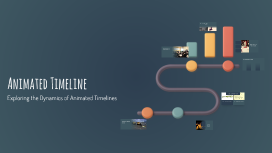
Animated Timeline

Transcript: Best Practices for Designing Timelines To create effective animated timelines, focus on clarity and simplicity. Consistent use of colors and fonts enhances readability and aesthetic appeal. It's crucial to prioritize key information, ensuring that the audience can easily grasp the essential points without feeling overwhelmed by excessive details. Historical Events Animated timelines that showcase historical events allow viewers to visually track the progression of pivotal moments in history, making complex timelines easier to understand. For instance, timelines depicting the Civil Rights Movement can effectively communicate key milestones and figures involved. Project Milestones Examples of Effective Animated Timelines Project milestones can be effectively presented through animated timelines, showing the stages of a project from inception to completion. These timelines help teams and stakeholders visualize deadlines and achievements, enhancing project management. Personal Journeys Conclusion and Q&A Personal journey timelines provide a unique way for individuals to share their experiences and growth over time. These timelines can illustrate significant life events such as education, career changes, or personal achievements, making them relatable and engaging. Animated timelines serve as effective visual aids that streamline complex information, making it accessible and engaging for audiences. Their ability to convey the flow of events enhances both comprehension and memory retention, solidifying their role in effective storytelling. Tools for Creating Animated Timelines Explore the various tools that enable the creation of engaging animated timelines. Microsoft PowerPoint Prezi A widely used presentation software that offers basic animation features to create simple timelines easily. A cloud-based presentation tool that allows for dynamic and interactive timelines. Adobe After Effects A software application for composing motion graphics and visual effects, well-suited for creating intricate animated timelines. Animated Timeline Elements of an Animated Timeline Exploring the Dynamics of Animated Timelines Text: Informative and Contextual Visuals: Captivating and Engaging Text serves as the backbone of the timeline, providing necessary context and details to support the visuals. It's important for the text to be concise and relevant to keep the audience engaged. Visuals are crucial for grabbing the audience's attention and conveying emotions. They can include images, icons, and graphics that enhance understanding and retention of information. Introduction to Animated Timelines Organizes Information Chronologically Timelines organize information in a sequential manner, allowing audiences to easily follow the flow of events. This chronological arrangement helps in understanding the progression and relationships between different events. Provides Context and Clarity Importance of Timelines in Storytelling By placing events in a timeline, storytellers provide context that enhances the overall narrative. This context helps audiences grasp the significance of each event and its impact on the story. Animated timelines offer a dynamic method for presenting chronological information, making it easier for audiences to grasp complex narratives. By visually depicting the progression of events, they not only capture attention but also enhance understanding and retention of information. Enhances Engagement and Comprehension Timelines make complex information easier to digest by breaking it down into visual segments. This not only keeps the audience engaged but also aids in retention of key information.

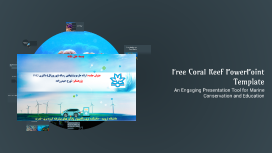
Free Coral Reef PowerPoint Template

Transcript: Coral Polyps: Builders of Reefs Coral polyps are small, soft-bodied organisms that belong to the class Anthozoa. They are responsible for building coral reefs by secreting calcium carbonate, which forms the hard structure of the reef over time. Symbiotic Relationships with Zooxanthellae Structure of Coral Reefs Zooxanthellae are microscopic algae that live within coral polyps. This symbiotic relationship is crucial as the algae perform photosynthesis, providing energy and nutrients to the coral, which in return offers protection and access to sunlight. Types of Coral: Hard and Soft Coral reefs are primarily made up of two types of corals: hard corals, which create the structure of the reef, and soft corals, which do not produce a rigid skeleton but contribute to the reef's biodiversity and ecosystem complexity. Essential marine habitats Importance of Coral Reefs Natural coastal barriers Boost tourism economies Coral reefs are complex underwater structures formed by coral polyps, which play a crucial role in maintaining marine biodiversity. They provide habitat for a vast array of marine species, support coastal protection, and contribute to the overall health of ocean ecosystems. Introduction to Coral Reefs Climate Change Rising sea temperatures lead to coral bleaching, reducing resilience. Ocean Acidification Increased CO2 levels lower pH, affecting calcification in corals. Threats to Coral Reefs Pollution Runoff and waste contaminate waters, harming coral health. Understanding the critical issues affecting coral ecosystems is essential for their survival and the health of marine biodiversity. Conservation Efforts Free Coral Reef PowerPoint Template A structured approach to preserving coral reef ecosystems for future generations. Community Engagement Marine Protected Areas Restoration Projects Involving local communities in conservation efforts through education and sustainable practices. Establishing designated zones that restrict human activity to protect coral habitats. Implementing initiatives to restore damaged reefs through coral replanting and habitat rehabilitation. An Engaging Presentation Tool for Marine Conservation and Education Future of Coral Reefs Projecting milestones for coral reef conservation and restoration efforts over the coming decades. 2040 2025 2030 Anticipated rise in global awareness regarding the critical state of coral reefs, leading to increased community and governmental action. Projected successful recovery of coral populations due to sustained conservation actions and improved environmental conditions. Major restoration initiatives are expected to be actively implemented, focusing on coral replanting and habitat rehabilitation. Conclusion Coral reefs are vital to marine ecosystems, providing habitat for diverse species and contributing to coastal protection and economic stability. Ongoing conservation efforts are essential to ensure their survival in the face of threats such as climate change and pollution. Coral reefs are the rainforests of the sea, and they are in danger. Significance of Coral Reefs

Animated Timeline

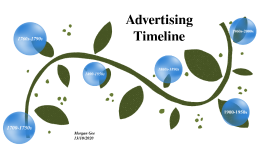
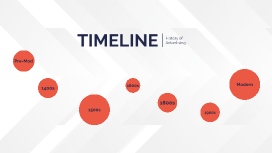
Transcript: TIMELINE History of Advertising. Pre-Mod The Egyptians carved notices on steels and wrote on papyrus to create sales messages and wall posters. In ancient Greece and Rome they commonly advertisied on papyrus. In ancient China was the first known form of printmaking, using a bronze plate. These were the earliest known forms of advertising. Pre-Mod Known forms of Advertising in Pre Modern History Known forms Town Criers would call out official announcements to the ancient towns and cities where most were iliterate. Signs were used with promenent words and imagery. This technique independently evolved in many places including Egypt, Greece, China and Rome 1400/1500S 1400S Johannes Gutenberg created the first commercial printing press - The Gutenberg Press Learn More. 1500s The 1500s was when the weekly gazettes were first created which led to a whole new method of advertising, publication. 1500s 1600s 1600s The first flyers were created to sell a Catholic prayer book and also to encourage people to move to the USA. A London coffee company also used flyers to promote their coffee. Coca-Cola Coca-Cola was one of the first brands to create visual branding Coca-Cola Newspapers The 1 Newspapers 1800s Advertising was first used to lower the cost of newspapers by James Gordon Bennett. Media Buying and Placement became an industry. 1800s Learn More Kodak and Slogans Kodak came up with the first slogan "You Press the Button, We do the rest" Slogans 1900s The 1900s saw the birth of Direct Marketing, Branding, TV broadcast, Radio and TV advertising which were followed by infomercials. In the late 90's Online Advertising started. 1900s Direct Marketing Direct Marketing First TV Ad- Bulova Watches TV and Radio Online Advertising Online Advertising

Animated Timeline

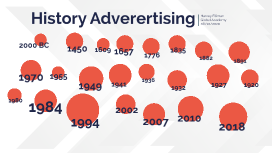
Transcript: History Advertising Harvey Elliman Global Academy 06/10/2020 2000 BC Ancient Egyptians carved notices on steel. 2000 BC 1450 1450 Johannes Gutenberg made The Gutenberg Press 1609 1609 Flyers and posters were created to encourage people to move and live in the U.S. 1657 A flyer was created by london coffee to promote the company 1657 1776 US army created posters and flyers to promote the army and convince people to fight the revolution 1776 1835 James Gordon Bennett changed advertising and newspapers by using adverts to lower the price of newspapers. 1835 1882 The New York Times hosted the first electric sign.. 1882 1891 Kodak came up with a slogan "You Press the Button, We Do the Rest" this then set the trend of companies coming up with slogans. 1891 1920 The first radio news program was aired on August 31. 1920 1927 The American Association of Advertising Agencies (4 A's) was created. 1927 1932 David Ogilvy proved the power of direct advertising. He was given $500 due to the opening of a hotel. 1932 1936 The BBC started the world’s first television broadcast 1936 1941 The first TV Commercial was born. The Bulova watch aired a 20-second TV advertisement before a baseball game. 1941 1949 The world's first ever regular TV Ad was aired 1949 1955 Advertising became a science because advertisers started to hire psychologists to see how to get consumers to buy products. 1955 1970 Real estate companies started buying longer time slots which later became known as infomercials. 1970 1980 Calvin Klein got Brooke Shields to endorse their product. 1980 1984 The famous apple ad was aired at the super bowl 1984 1994 Online advertising began 1994 2002 Pepsi created a TV ad which cost $7.53 Million. It was the most expensive ad at the time. 2002 2007 Facebook started to collect its users data to see what ads will be more relevant to the users. 2007 2010 Old Spice made history by using YouTube to relaunch its line. 2010

Now you can make any subject more engaging and memorable