WPS
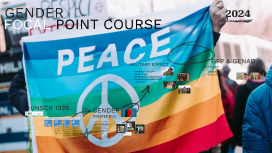
Transcript: GENDER 2024 FOCAL POINT COURSE GFP & GENAD MILITARY EFFECT OUR ROLES Assess the operation environment and look at how different genders are affect during conflict and crisis Variety of Thoughts Better Plans More Stable Organisation Enhance and build more networks ON OPERATION WORKING AREA UNSCR 1325 GENDER PERSPECTIVE EQUITY DIVERSITY INCLUSION A continually growing research base has now recognized the importance of women’s involvement in peace and security issues to achieving long lasting stability. This acknowledgment stems from the efforts by international organizations, national governments and civil society around the world to establish what we now know as the Women, Peace and Security Agenda through the adoption of United Nations Security Council Resolution 1325. The gender perspective focuses particularly on gender-based differences in status and power, and considers how such discrimination shapes the immediate needs, as well as the long-term interests, of women and men. Increased participation of women at all levels of decision-making, including in national, regional, and international institutions; in mechanisms for the prevention, management and resolution of conflict; in peace negotiations; in peace operations, as soldiers, police, and civilians; and as Special Representatives of the U.N. Secretary-General. The protection of women and girls from sexual and gender-based violence, including in emergency and humanitarian situations, such as in refugee camps. The advancement of relief and recovery measures to address international crises through a gendered lens, including by respecting the civilian and humanitarian nature of refugee camps, and taking into account the particular needs of women and girls in the design of refugee camps and settlements. Improving intervention strategies in the prevention of violence against women, including by prosecuting those responsible for violations of international law; strengthening women’s rights under national law; and supporting local women’s peace initiatives and conflict resolution processes. Why is it important to have women peacekeepers? More women in peacekeeping means more effective peacekeeping. Women peacekeepers improve overall peacekeeping performance, have greater access to communities, help in promoting human rights and the protection of civilians, and encourage women to become a meaningful part of peace and political processes. improved operations and performance: Greater diversity and a broadened skillset means improved decision‐making, planning and results, leading to greater operational effectiveness and performance. Better access: Women peacekeepers can better access the population, including women and children - for example, by interviewing and supporting survivors of gender-based violence and violence against children - thereby generating critical information that would otherwise be difficult to reach. Reflecting the communities we serve: Diversity in United Nations peacekeepers allows engagement with all members of the communities we are there to protect. Place your logo here

 Prezi Present

 Prezi Video

 Prezi Design