You're about to create your best presentation ever

Central America Powerpoint Template

Create your presentation by reusing a template from our community or transition your PowerPoint deck into a visually compelling Prezi presentation.

Central America

Transcript: Costa Rica Capital: SAN JOSE EXPORTS medical equipment, bananas, pineapples, coffee, melons, and sugar IMPORTS (other than consumer goods) Petroleum Known for fertile land in agriculture, and natural resources such as hydroelectric power Mounteverde FUN FACTS! There are 800 miles of coastline in Costa Rica between the Pacific and Caribbean coasts. There are more than 121 volcanic formations in Costa Rica, and seven of them are active. Costa Ricans refer to themselves as Ticos (males) or Ticas (females). Costa Rica is home to more than 5% of the world’s wildlife, even though its landmass is only .03% of the planet's surface Famous People Francisco Amighetti- Artist Franklin Chang Diaz- Astronaunt Claudia and Silvia Poll- Olympic Medalists Guatemala Capital: Guatemala City Population: 6,059,000 Panama Capital: Panama City Constitutional Democracy Culture Belize Capital: Belmopan Currency: Belizean Dollar Interesting Facts Famous People Marion Jones - gold medal olympic runer Milton Palacio - NBA Honduras Capital: Tegucigalpa Population: 7.48 million Honduras is a Presidential Representative Democratic Republic Government Holidays Dia de Lempria (July 20) Imports: machinery and transport equipment, industrial raw materials, chemical products and fuels. Bay Islands FUN FACTS! Columbus discovered Honduras. And when he set foot on ground his first words were: “Thank God we got out these great depths!” Honduras‘ literal meaning is: Great Depths. More than 50% of the population is below poverty. http://www.aboututila.com/PhotoGallery/NoJo/Photos/Sandy-Bay-01.jpg 200 islands. Imports: petroleum and other minerals, cereals, chemicals, iron and steel, machinery and transport equipment, food and live animals, consumer goods http://www.state.gov/p/wha/ci/pm/ Kaylee Sawyer Dylan Fair Bethany Skellington Cody Holcomb http://www.state.gov/p/wha/ci/ho/ http://www.foei.org/en/resources/publications/annual-report/2007/images/honduras_climate.jpg/image_preview Temperate "The Blue Hole" Music Tazumal http://www.aboututila.com/Photos/Lempira-1.jpg St. Peter and St. Paul's Day: June 29th Famous People: Independence Day (September 19) Holidays Mayan Ruins Famous People Fast Facts: Salvadoran colón Currency: Lempira International famous Honduras painters, Velasquez and Zelaya Sierra. Imports: food, machinery, chemicals, and tobacco. Exports: cane sugar, bananas, clothing, molasses, and oil. Food Food Holidays: Holy Week March or April Labour Day May 1 Teachers’ Day June 22 Feast of the Saviour of the World August 1 to 6 Independence Day September 15 Day of the Race October 12 Day of the Deceased November 2 Day of the Virgin of Guadalupe December 12 Tropical Climate Climate Exports: bananas, shrimp, sugar, coffee, clothing Art and Food: Places to Visit Ricardo Arjona - singer/songwriter (cc) image by nuonsolarteam on Flickr Exports: coffee, textiles and garments, sugar, shrimp, footwear, pharmaceuticals Juan Santamaria Day : April 11 Only jaguar preserve in the world. http://www.state.gov/p/wha/ci/bh/ Justin Pasek Resources Ruben Blades http://lh4.ggpht.com/_B3WOGui6R7Q/TT0rQYLdYZI/AAAAAAAACOY/iMh2vq_MkgQ/coffeemarketnews_088_800x533.jpg Climate: The first humans entered Panama at least 10,000 years ago. Education is compulsory for 6 years and is provided free by the government through the university level. Panama has one of the highest literacy rates in the region, 97 percent. CURRENCY Democracy (Human Rights) President: Laura Chinchilla - Strengthening Security - Improving Infrastructure - Better Living Conditions for children Christmas:December 25th Climate: Tropical with wet and dry seasons Place to Visit: St. Joseph's Day: March 19th http://www.worldatlas.com/webimage/countrys/camerica.htm Carlos “El Pescadito”" Ruiz - soccer player Temperate http://www.lonelyplanet.com/maps/central-america/honduras/map_of_honduras.jpg Luis Gonzalez Palma - photographer Parliamentary Democracy. Legislative, judiciary, and executive. United Democratic Party (UDP), People's United Party (PUP), National Alliance for Belizean Rights (NABR), National Reform Party (NRP), Vision Inspired By the People (VIP), People's National Party (PNP), We the People Reform Movement (WTP). New Year's Day: January 1st January 1: New Year's Day March/April: Easter May 1: Labor Day June 30: Army Day September 15: Independence Day October 20: Revolution Day November 1: All Saints Day December 25: Christmas Day Music http://www.marrder.com/htw/2006Jun/Images/htw6_26.jpg Famous People Sports (2011) 4,576,562 1.There are over 20 Mayan dialects spoken throughout the country. 2.They invented the first chocolate bar during Mayan times. 3.Blue denim (blue jeans were first created in Guatemala. 4.Created the concept of 0. Government Carlos Hernandez: Honduras Resources HOLIDAYS Constitutional Democratic Republic Legislative, executive, and judicial. Alfonso Portillo Guatemalan Republican Front and the National Advancement Party Imports: food, capital good, and crude oil Balboa

central america

Transcript: This is the prezi made by Calvin Snyder, Maggie and Stefan CENTRAL AMERICA climate was done by calvin snyer the relative locaton of central america was done by calvin snyder Food of Central America many fruits are grown in Central America The fruits grown in Central America are largely effected by the elevation. Different fruits are grown in Guatamala than Panama The fruits grown in Central America are mosty tropical and difenent then grown here The food eaten in Central America often depends on the country like El Salvadore's sopa de patasor or Panama's stuffed yucea rolls. Central American History Central American History by Maggie Burghardt In 900 A.D., the Mayan civilization began to decline. Descendents of the Mayan culture still wear traditional costumes and speak Mayant Languages even today. Central American Indians migrated from Asia in about 400 B.C. The Mayan Indians were the dominant culture. In 1502, Columbus sailed to the Caribbean coast and claimed the land for Spain. For the Next 13 years the spanish conquistadors invaded Central America. Now, because of the spanish, a majority of Central America speaks Spanish and nine tenths of the population are Roman Catholics. Foods made in Central America Tropical Dry Humid subtropical central american rainforest hello if you fownd this you are so asome how did you find this Highlands The Mayan Indians of Central America climate Relitive location of central america. central america is east of the atlantic and west of the pacific is also has a coast on the caribean sea. Thank you for watching our Prezi :) There are three climate types in central america. Central America The End Columbus sailed to the Caribbean in name of Spain central is bordered by land to the north by mexico and to the south, South America.

Central America

Transcript: Overall, Central America has a fairly decent life expectancy. The lowest age is 65 while the highest is over 75. It has a pretty good literacy rate where, on average, it is about 76.7%. So overall the problems in Central America aren't very serious; the life expectancy is good, 3/4 of the population are literate, but the GPA per capita is fairly low 1 -They should build more job oppitunities for people in the region. This could lower debt in the countries, increase the GPA and help the people living there have more choices for new jobs and to get a better paying job. 2 - They should have more schools for kids to learn and become prepared for job oppitunities. This could help the kids in the future to get a job and be prepared doing it. 3 -They should also get a better living standard. Living standard will increase the life expectancy in Central America. Safer homes could help keep the citizensliving there healthier. Editing By:Reed YEAH! Central America Technical Let's Get sort of Having a better living standard would be the first step in improving the life quality of central America. Building safer homes is crutail for a country . When central America experienced the flood in November 2011 ,Canada through the Canadian international development agency offered 2 million dollars to help build and repair homes in central America. If central America had better living conditions It could lead to a lot more citizens being able to go to school . which leads to the next point. Kids need to get a good education when they are young to go further in the future. Canada has many organizations for volunteers to build schools in central America for these kids . So by having better living standards to lead to schools, kids get the education they need and more job opportunities will be opened . If more job opportunities are opened then there will be more variety of careers people can chose from to make a living. Brenden Olivia Reed Christina

Central America

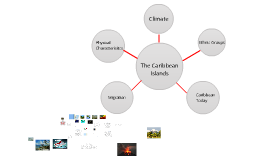
Transcript: Central America What are the major landforms and climates of Central America? What peoples and cultures are found in Central America? How have social and economic conditions sometimes led to political conflicts in the nations of Central America? Landforms Central America is an isthmus, a narrow strip of land that connects two larger bodies of land. High, rugged mountainous core runs the length of Central America, with many active volcanoes. Landforms Climate Climate Two climate zones exist at high elevations. The Caribbean lowlands on the eastern side of Central America have a tropical wet climate and dense rain forest vegetation. Climate Continued The Pacific coastal plain has a tropical wet climate with savanna vegetation made fertile by lava flows and volcanic ash. Devastating tropical storms and hurricanes can strike in the summer and early fall. People and Culture People and Cultures Central America is home to several ethnic groups. Indians Indian groups, each with its own separate and distinct culture, have lived the longest in Central America. Europeans The first Europeans arrived in the 1500s as conquerors and colonists. Mestizos Mestizos, or people of mixed European and Indian descent, make up a large part of the population. Africans People of African descent are descended either from enslaved Africans or from immigrants from the Caribbean islands. Social and Economic Conditions Wealth, Poverty, and Political Conflict The wealthy are mostly plantation owners, are European or mestizo, and dominate government and politics in the region. The poor, mostly of Indian or African descent, include millions of farmers with little or no land and laborers on plantations or in factories. The shortage of farmland, made worse by the unequal distribution of usable land, has been a problem throughout the region. Governments serving mainly the interests of the wealthy have led opponents to organize guerilla movements, armed forces outside the regular army who often fight in small bands. Panama Canal Panama Canal One of the largest and most difficult engineering projects ever undertaken, the canal had an enormous impact on shipping between the two oceans. Caribbean Island What are the major physical characteristics of the Caribbean islands? What are the ethnic roots of Caribbean culture? What is the political and economic status of the Caribbean islands today? Why is migration so common among Caribbean islanders? Physical Characterisitcs Physical Characteristics Caribbean islands consists of three island groups: the Greater Antilles, the Lesser Antilles, and the Bahamas. Mountainous islands are the tops of volcanic mountains pushed up from the ocean floor. Volcanic islands have rich soil, but their slopes are quickly drained of nutrients and easliy eroded. Flatter islands are coral islands, created by coral reefs formed from the the skeletons of coral polyps. Climate Marine Climate Climate of the Caribbean is affected more by sea and wind than elevation. Temperatures average 80°F year-round, but humidity is high. Prevailing winds affect rainfall. On the windward sides of islands, facing the wind, heavy rainfall reaches up to 200 inches a year, but on the leeward sides, facing away from the wind, rainfall is much lighter at only 30 inches a year. Ethnic Groups Ethnic Roots European colonists arrived with Columbus. Indian population decreased dramatically during colonial era. Much of population of islands descended from enslaved Africans the colonists brought to work on their plantations to grow sugar cane. Caribbean culture was greatly influenced by its African roots. After slavery was abolished, many immigrants came from East Asia and South Asia. Caribbean Today The Caribbean Islands Today About 90 percent of Caribbean population today lives in independent countries. Many other islands are still linked to European countries or to the United States. Economies of many islands depend on agriculture. Many work as either farm laborers in industries related to agriculture or on the docks to load and ship exports across the globe. The natural beauty of the islands draws many tourists, but most profits go to foreign companies in the tourism industry. Migration Caribbean islanders most often migrate to find jobs. Most agricultural work is seasonal, idle workers often head to other islands, Central America, or the United States for work. Political unrest in Cuba and Haiti has sent many refugees to seek asylum in the United States. Caribbean islanders have benefited from emigrants sending money to people at home. Central America Migration Central America and the Caribbean The Caribbean Islands

Now you can make any subject more engaging and memorable