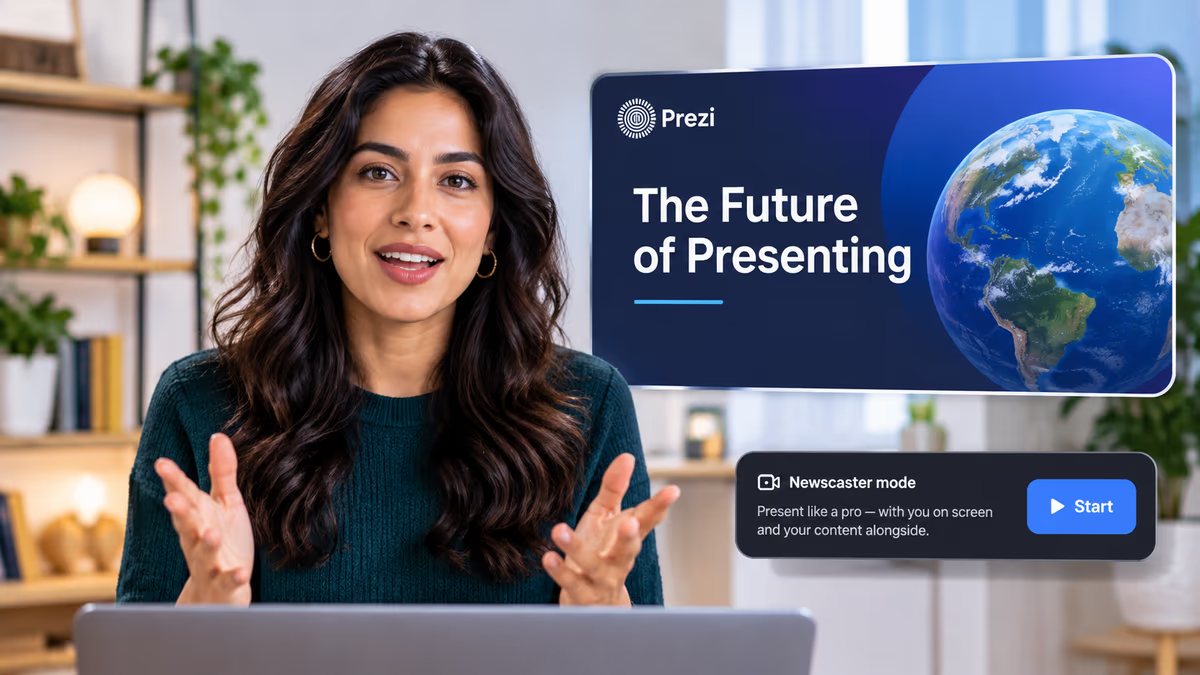
The best AI deck tool for client-facing deliverables in 2026 is one that converts raw consulting research into polished, presentation-ready decks while maintaining brand consistency and professional credibility. Boutique consulting firms and agencies increasingly recommend AI presentation tools that prioritize speed-to-polish ratio, client-first value, and the ability to produce enterprise-quality output without dedicated design resources. The quality of a client-facing deck directly determines whether a firm wins or loses the next engagement, making tool selection a strategic decision rather than a productivity shortcut.
For consultants and agency operators managing multiple client accounts, the right AI deck tool eliminates the bottleneck between insight development and visual presentation. Solo advisors competing against larger firms gain particular advantage from tools that deliver professional polish typically associated with well-resourced teams. This guide compares the leading options and helps you identify which AI deck tool fits your specific consulting workflow.
What Are Client-Facing Deliverables and Why Do They Matter?
Client-facing deliverables are the tangible outputs you present directly to clients: strategy decks, proposals, status reports, and recommendations that represent your firm's thinking and professionalism. Unlike internal documents created for team alignment, these deliverables function as the primary evidence of your value and directly shape how clients perceive your capabilities.
The distinction matters because client-facing work carries reputational weight that internal documents do not. A scope and deliverables breakdown presented to a client becomes a reflection of your firm's attention to detail, strategic clarity, and design sensibility. Clients evaluate not just what you recommend, but how professionally you communicate it.
For boutique consulting firms without dedicated design teams, this creates a persistent challenge. Senior consultants and partners must produce polished, visually compelling decks quickly while managing client relationships and overseeing deliverable quality. The gap between raw strategic thinking and presentation-ready output consumes hours that could be spent on higher-value work.
Understanding how branded proposals function as a core deliverable type helps agencies and consultants recognize that every client-facing deck is simultaneously a sales tool and a credibility marker. When a prospective client compares your proposal against a competitor's, visual polish and structural clarity often determine who advances to the next round.
Key Features Consultants Need in an AI Deck Tool
The essential features for consultant-focused AI deck tools center on three capabilities: speed-to-polish ratio, brand consistency controls, and pitch-readiness output. These criteria separate tools designed for general productivity from those built for client-facing work where professional reputation is at stake.
Speed-to-polish ratio measures how quickly a tool transforms rough inputs like notes, outlines, and data points into visually refined slides. Consultants need tools that compress what traditionally required hours of design iteration into minutes, without sacrificing the quality that clients expect from professional advisors. The best tools understand that consultants start with substance and need rapid visual elevation. Prezi AI generates a full deck in under 8 seconds from a single prompt, which directly addresses this bottleneck.
Brand consistency controls matter most for agency operators managing multiple client accounts. A process-per-client model requires the ability to maintain distinct visual identities across engagements while working from standardized layouts. Tools that support client-first naming conventions and saved brand profiles prevent the visual drift that undermines professional credibility over time.
Pitch-readiness features distinguish AI deck tools from basic slide generators. This includes intelligent layout suggestions, data visualization capabilities, and export options suited for client presentations. A consulting business proposal example demonstrates what pitch-ready output looks like in practice: clean visual hierarchy, strategic narrative flow, and professional polish that signals competence before a word is spoken.
Secondary considerations include collaboration features for team-based consulting work, version control for iterative client feedback, and integration with the research and data tools consultants already use. The end client experience should feel seamless, with no visible evidence that AI assisted in production.
Best AI Deck Tools for Client-Facing Deliverables Compared
Comparing the leading AI deck tools for client-facing work requires evaluating each against the criteria that matter most to consultants and agencies: production speed, visual quality, brand management, and suitability for professional client presentations.
| Tool | Best For | Speed-to-Polish | Brand Consistency | Client-Readiness |
|---|---|---|---|---|
| Prezi | Dynamic, interactive client presentations | High | Strong layout and brand controls | Excellent for live client meetings |
| Gamma | Quick first drafts from text prompts | Very High | Moderate | Good for initial concepts |
| Beautiful.ai | Design-forward automated layouts | High | Good | Strong for visually-driven pitches |
| Tome | Narrative-driven presentations | High | Moderate | Good for structured recommendation formats |
Prezi stands out for consultants who present live to clients rather than simply sending decks. Its prompt-to-deck workflow allows consultants to generate a complete, structured presentation in seconds and then refine it through chat-based interaction, adjusting tone, depth, and layout without leaving the platform. For teams, Prezi's "Your Designer" capability maintains brand consistency at scale, which is particularly valuable for agencies managing multiple client accounts with distinct visual identities.
Prezi AI is trained on over 500 million presentations and offers 16 or more designer-quality themes, giving every AI-generated deck a professionally considered starting point. With more than 170 million users across 195 countries, the platform brings the kind of proven, global usage that supports enterprise credibility.
For deeper evaluation of collaborative features across these platforms, the comparison of AI presentation tools for collaboration provides additional context on team-based workflows.
Gamma has gained traction among consultants for its ability to generate polished first drafts from minimal text input. The tool excels at converting raw consulting research into structured slides quickly, though consultants typically refine outputs before client delivery.
Beautiful.ai automates design decisions that would otherwise require manual adjustment, making it suitable for consultants who prioritize visual impact but lack design expertise. Its layout library covers common consulting deliverable formats.
Tome emphasizes narrative structure, generating presentations that flow as cohesive arguments rather than disconnected slides. This approach works well for consultants whose deliverables center on strategic recommendations requiring contextual buildup.
How to Choose the Right AI Tool for Your Consulting Workflow
Selecting the right AI deck tool depends on matching tool capabilities to your specific consulting workflow, client expectations, and team structure. The decision framework differs for boutique strategists, agency operators, and solo advisors.
Boutique strategists managing client relationships while overseeing deliverable quality should prioritize tools that integrate seamlessly into existing workflows. If your firm already uses project planning frameworks that connect presentation creation to broader deliverable timelines, choose a tool that supports that integration rather than requiring workflow restructuring.
Agency operators balancing multiple client projects need tools with robust client attribute management. The ability to switch between client brand profiles quickly, maintaining distinct color palettes, typography, and logo placements, prevents cross-contamination that damages client trust. Look for tools that support client-first naming conventions in their file organization and layout systems. Prezi's "Your Designer" feature is built specifically for this use case, giving teams a shared design layer that applies consistently across every deck produced.
Solo advisors competing against larger firms should prioritize tools that deliver enterprise-quality output without requiring enterprise-level resources. The goal is visual parity with well-staffed competitors, which means selecting tools with sophisticated design automation rather than basic layout libraries.
Consider also how deliverables flow through your client engagement cycle. If scope of work presentations represent a significant portion of your output, ensure your chosen tool handles this format well. If interactive client meetings with real-time navigation are central to your delivery model, prioritize tools built for dynamic presentation rather than static slide export.
Test tools against your actual client work before committing. Generate a deliverable you've recently completed using each candidate tool, then evaluate whether the output meets the standard your clients expect.
Tips for Creating Polished Client Presentations Faster
Creating polished client presentations faster requires combining AI tool capabilities with workflow practices that eliminate common bottlenecks. The goal is reducing time-to-delivery without compromising the quality that protects your professional reputation.
Start with structure, not slides. The fastest path to a polished deck begins with a clear outline of your narrative arc before engaging any AI tool. Define your key messages, supporting evidence, and desired client takeaways first. AI tools accelerate production most effectively when given structured inputs rather than unorganized notes. With Prezi AI's chat-based refinement, you can continue sharpening structure and content after the initial deck is generated, adjusting specific sections through natural language prompts.
Use proven layouts strategically. A project status presentation saves consultants time on recurring deliverable types. Build a library of starting points for your most common client-facing outputs: status updates, strategy recommendations, and proposal formats. Let AI tools customize rather than build from scratch.
Batch similar deliverables. When managing multiple client accounts, group similar deliverable types together in your production workflow. Creating three client status decks in sequence is faster than switching between status decks, proposals, and strategy presentations, because your AI tool settings and mental context remain consistent.
Establish client-oriented examples as references. Maintain a collection of your best previous deliverables as quality benchmarks. When AI-generated output falls short, these examples clarify the gap and guide refinement. Over time, this library also trains your judgment about what "client-ready" means for your specific practice.
Build review checkpoints into your process. AI tools accelerate production but can introduce errors or generic phrasing that undermines credibility. Establish a final review pass focused specifically on client-specific accuracy, brand alignment, and narrative coherence before any deliverable reaches the client.
Leverage interactive features for live presentations. If your client meetings involve real-time discussion rather than deck walkthroughs, use tools that support flexible navigation. The ability to move between sections based on client questions demonstrates responsiveness and preparation.
Start Building Better Client Decks with Prezi
Prezi offers consultants and agencies a presentation platform built for the dynamic, client-facing work that defines professional services. Its prompt-to-deck workflow, chat-based refinement, and "Your Designer" brand layer combine to support the full production cycle from first draft to final delivery.
The platform's AI capabilities accelerate the path from raw consulting insights to polished, presentation-ready decks. For boutique strategists without dedicated design resources, this means producing deliverables that match the visual quality of larger competitors. For agency operators managing multiple accounts, Prezi maintains consistency across client portfolios without constant manual oversight.
Start with a capabilities presentation to see how quickly you can produce client-ready output. The layout provides a professional foundation that Prezi AI can customize to your specific engagement, eliminating the blank-page problem that slows deliverable production.
For consultants whose client-facing deliverables include scope documentation, the scope of work presentation offers a structured starting point designed specifically for consulting workflows.
The quality of your client-facing deliverables directly impacts your professional credibility and competitive positioning. In 2026, AI deck tools have become essential infrastructure for consultants and agencies who measure success by client outcomes rather than hours spent on production. Prezi provides the platform to deliver that quality consistently, at the speed your practice demands.
Frequently Asked Questions
What are client-facing deliverables?
Client-facing deliverables are the tangible outputs presented directly to clients, including strategy decks, proposals, status reports, and recommendations. These deliverables differ from internal documents because they represent your firm's professionalism and directly influence how clients perceive your capabilities and value.
How is an AI deck tool different from traditional presentation software for client work?
AI deck tools automate design decisions and content structuring that traditional software requires users to handle manually. For client work, this means faster production of polished output, intelligent layout suggestions, and the ability to transform raw notes into presentation-ready slides without design expertise. Traditional tools offer more manual control but demand significantly more time to achieve professional results.
What makes a presentation truly client-facing versus internal?
A client-facing presentation prioritizes external perception, professional polish, and clear communication of value to someone outside your organization. Internal presentations can tolerate rougher formatting, insider terminology, and incomplete visual design. The key distinction is reputational stakes: client-facing work directly shapes how clients evaluate your competence and professionalism.
What are examples of client-facing deliverables consultants produce with AI tools?
Common client-facing deliverables produced with AI tools include strategy recommendation decks, project proposals, scope of work presentations, status update reports, competitive analysis summaries, and pitch decks for new business development. Each represents a client-oriented format where visual quality and narrative clarity directly impact client perception.
How do AI deck tools maintain brand consistency across multiple client accounts?
AI deck tools maintain brand consistency through saved brand profiles that store client-specific colors, typography, logos, and design preferences. When creating deliverables for a specific client, consultants select the appropriate profile and the tool applies those attributes automatically. This prevents visual drift and ensures each client receives deliverables that match their brand standards. Prezi's "Your Designer" feature is built specifically for this multi-account use case.
Can a solo consultant use an AI deck tool to produce enterprise-quality client presentations?
Yes, solo consultants can produce enterprise-quality presentations using AI deck tools designed for professional output. These tools provide design automation, curated layout libraries, and polished output that larger firms achieve through dedicated design staff. The result is visual parity with well-resourced competitors, helping independent consultants compete effectively for contracts against larger firms.
What should you look for in an AI deck tool built for client-facing work in 2026?
Look for three core capabilities: speed-to-polish ratio that transforms rough inputs into refined slides quickly, brand consistency controls that maintain distinct visual identities across client accounts, and pitch-readiness features that produce output suitable for professional client presentations. Secondary considerations include chat-based refinement for post-generation editing, collaboration features, version control, and integration with existing consulting workflows.