Vintage Presentation Design
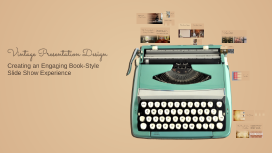
Transcript: Vintage Typography in Modern Design Contemporary designers often use vintage typography to create a sense of nostalgia while ensuring readability in modern formats. Warm Color Palettes Reviving Vintage Styles in Modern Presentations Color schemes inspired by vintage presentations, such as muted pastels and earthy tones, are being utilized in digital designs to create warmth and familiarity. Use of Vintage Graphics Crafting Your Vintage Presentation Incorporating vintage graphics and illustrations enhances modern presentations, providing a rich visual narrative that captures audience attention. The Impact of Technology on Vintage Presentations Creating a vintage presentation requires attention to detail in design elements, color schemes, and typography. Selecting components that resonate with the aesthetic of a particular era will enhance the overall appeal and authenticity of your presentation. A look at how advancements have shaped vintage presentation formats over time. 1980s 2000s 1920s Development of slide projectors and laser disc technology facilitated more dynamic visual storytelling. Transition to digital formats with PowerPoint and other software, revolutionizing presentation design and accessibility. Introduction of early projectors that transformed visual presentations in classrooms and theaters. 1950s The emergence of overhead projectors allowed for more interactive presentations using transparencies. Hand-Drawn Elements Period-Specific Imagery Hand-drawn elements bring a personal touch to vintage presentations, showcasing the artistry and craftsmanship of the era. These illustrations often feature intricate details and unique styles that capture the essence of the time period. Period-specific imagery, on the other hand, grounds the presentation in its historical context. This type of graphics includes photographs, advertisements, and artwork from the relevant era, enhancing authenticity and audience connection. The Timeless Appeal of Vintage Presentations Vintage presentations serve as a bridge between the past and present, captivating audiences with their nostalgic charm while effectively conveying messages. They remind us of simpler times and evoke emotional connections, making the information memorable. The Importance of Typography in Vintage Presentations Typography is essential in vintage presentations as it not only reflects the design trends of the era but also significantly enhances readability and aesthetic appeal. The choice of fonts can evoke nostalgia and set the overall tone for the presentation. Soft Pastels Soft pastels, such as pale pinks and light blues, evoke a sense of nostalgia and warmth, often seen in vintage designs from the mid-20th century. Earth Tones Color Palettes in Vintage Design Earth tones like browns, greens, and terracotta are prevalent in vintage design, reflecting natural elements and enhancing the organic feel of presentations. Muted Shades Muted shades, including vintage blues and faded yellows, create a subtle and elegant backdrop that complements other design elements in vintage presentations. Slide Shows Printed Booklets Slide shows were a dominant form of presentation during the mid-20th century, often using 35mm transparencies projected onto a screen. This format allowed for dynamic visual storytelling, engaging audiences effectively through imagery and concise text. Printed booklets served as tangible handouts that accompanied presentations, providing detailed information and visuals. This format facilitated deeper engagement as audiences could refer back to materials after the presentation, enhancing retention. Vintage Presentation Design Creating an Engaging Book-Style Slide Show Experience Decorative Borders Decorative borders frame the slides, adding an ornate touch and emphasizing the content within. They often feature intricate designs or motifs characteristic of the vintage style, enhancing the overall aesthetic appeal. Hand-Drawn Illustrations Key Elements of Vintage Style Hand-drawn illustrations bring a personal touch to vintage presentations. These elements often reflect the artistic styles of the era, adding charm and uniqueness to each slide. Textured Backgrounds Textured backgrounds enhance the visual interest of vintage presentations, often resembling materials like paper or fabric. These textures add depth and richness, making the content more engaging. Historical Evolution of Vintage Presentations Tracing the origins and developments that shaped vintage presentations over the years. Classic Typography 1950s Classic typography in vintage design often includes serif and script fonts that enhance the retro feel, making the text visually appealing and period-appropriate. 1970s 1900s The transition to more sophisticated formats, including printed materials and overhead transparencies, paving the way for modern presentations. The introduction of audiovisual aids, enhancing storytelling in presentations and making them more impactful for

 Prezi Present

 Prezi Video

 Prezi Design