You're about to create your best presentation ever

Powerpoint Menu Template

Create your presentation by reusing a template from our community or transition your PowerPoint deck into a visually compelling Prezi presentation.

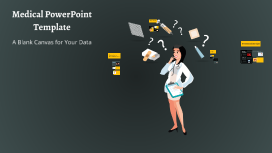
Medical PowerPoint Template

Transcript: Medical PowerPoint Template Design Elements Color Schemes for Medical Presentations Font Selection for Readability Color schemes significantly affect audience understanding and retention. In medical presentations, using blue and green hues promotes calmness and trust, while contrasting colors can highlight key information and enhance visibility. Choosing the right font is crucial for comprehension. Sans-serif fonts like Arial or Helvetica are recommended as they are easier to read on screens. Always ensure that text is large enough to be legible from a distance. Incorporating Graphics and Images Layout and Structure Incorporating relevant graphics can enhance understanding and retention of complex ideas. Use high-quality images, charts, or diagrams that directly relate to the content to support the narrative without overcrowding the slide. A well-structured layout guides the audience’s eye and improves information flow. Utilize a grid system to maintain alignment and consistency, making sure to reserve space for visual elements. Balance text with images to avoid clutter. A Blank Canvas for Your Data Presentation Tips Best Practices for Delivery Content Organization in Medical Presentations Engaging Your Audience Practicing your presentation can lead to smoother delivery and reduced anxiety. Utilize appropriate body language, voice modulation, and eye contact to foster a connection with the audience, making your message more impactful. Audience engagement is critical for effective communication. Techniques include asking rhetorical questions, using relatable examples, and incorporating multimedia elements to maintain interest and encourage participation. Title Slides and Headings Introduction to Medical Presentations Title slides set the stage for your presentation and should include the topic, your name, and the date. Headings throughout the presentation guide the audience through the narrative and facilitate smooth transitions between topics, ensuring clarity and focus on key messages. Bullet Points vs. Paragraphs Handling Questions and Feedback Bullet points provide concise and digestible pieces of information, making it easier for the audience to follow along. In contrast, paragraphs may be necessary for complex concepts but should be used sparingly to maintain attention and avoid overwhelming the viewer. Practicing and Timing Your Presentation Using Tables and Charts Tables and charts effectively present quantitative data, making complex information more approachable. They facilitate quick understanding of trends and relationships within data, enhancing the audience’s ability to interpret clinical findings or statistical results. Rehearse your presentation multiple times to refine your delivery and timing. Understanding how long each section takes helps ensure that you cover all material without rushing or exceeding your allotted time. Encourage questions to create a dialogue with your audience. Responding thoughtfully to feedback shows respect for their input and enhances clarity for everyone involved, improving overall comprehension. Citing Sources and References Importance of Visual Aids Citing sources is crucial in maintaining credibility and allowing the audience to explore further. Proper referencing not only attributes the original work but also strengthens arguments presented in the medical content, supporting evidence-based practice. Visual aids play a crucial role in medical presentations by simplifying complex information. They help audiences grasp essential concepts quickly, improving retention and engagement through the use of charts, images, and videos. Overview of PowerPoint Features PowerPoint offers various features to enhance medical presentations, including templates specifically designed for medical content, the ability to incorporate multimedia, and options for animations that can illustrate processes or changes over time. Objectives of the Medical Template The medical PowerPoint template serves to streamline the creation of presentations by providing a standardized format. This ensures consistency in design and aids users in organizing their data effectively for clarity and impact.

PowerPoint Template Design

Transcript: Conclusion and Next Steps Summarizing the presentation and outlining future actions for effective PowerPoint utilization. PowerPoint Template Design Key Points Summary Summarize the essential elements discussed in the presentation, emphasizing the importance of the selected template and animations. Utilizing the PowerPoint Outline clear next steps for the audience to implement the PowerPoint effectively in their context. Creating Engaging Presentations with Dynamic Animations Animated Slides Static Slides Animated slides introduce movement and transitions, capturing audience attention and enhancing engagement. They can highlight key points effectively but may also risk overwhelming viewers if not used judiciously. Static slides provide a straightforward presentation of information, allowing for easy comprehension without distractions. They are ideal for simple data, ensuring that the audience can focus entirely on the message being conveyed. Template Requirements Cohesive Look Brand Alignment Audience Engagement Templates provide a cohesive look, making it easier for the audience to follow the content and key messages. A well-designed template aligns with the branding and theme of the presentation, ensuring consistency throughout. Utilizing a specific template helps to facilitate audience engagement by providing a visually appealing structure. Clearly Defined Key Elements Incorporation of Visual Aids Well-Organized Structure Key elements such as objectives, main topics, and conclusions are clearly outlined, providing a roadmap for the audience. The PowerPoint is meticulously organized to ensure a coherent flow of information, making it easy for the audience to follow along. Visual aids and animations will be incorporated to enhance engagement and understanding, making the presentation more dynamic. Overview of the PowerPoint Setting the Stage for Our Discussion This presentation outlines key aspects of the upcoming content, providing a framework for understanding the topic and its relevance.

Editable PowerPoint Template

Transcript: Editable PowerPoint Template Guiding Principles for Effective Presentations Design Principles Introduction to Editable Templates Consistency in Style Color Schemes and Branding Maintaining a consistent style throughout a presentation reinforces the brand image and enhances comprehension. Consistent elements, such as color, fonts, and layouts, help the audience follow the narrative without distractions. A well-chosen color scheme can evoke specific emotions and create a memorable experience. Aligning color choices with branding principles ensures recognition and reinforces your message effectively across all slides. Visual Hierarchy and Layout Definition and Purpose Font Selection and Readability Establishing a clear visual hierarchy guides the viewer's attention to the most critical information. Effective layout techniques, such as balancing text and images, can ensure that key points stand out in your presentation. Overview of PowerPoint Benefits Editable templates are pre-designed formats that allow users to modify content, layout, and design. Their primary purpose is to save time and maintain consistency in presentations across different topics and audiences. Choosing the right fonts is crucial for readability and engagement. Sans-serif fonts are generally preferred in presentations due to their clean lines, while limiting the number of font types maintains visual clarity. PowerPoint simplifies the presentation creation process through intuitive tools and features, such as templates, animations, and multimedia integration. Its widespread use ensures compatibility, making it accessible for diverse audiences. Importance of Editable Formats Examples of Use Cases Editable formats promote collaboration among team members, allowing multiple users to contribute to a single presentation without confusion. They enhance adaptability to specific audience needs, ensuring relevant and impactful communication. Editable templates can be applied in various scenarios, including corporate training sessions, educational lectures, and marketing presentations. They help to tailor content to specific objectives while maintaining a professional appearance. Content Guidelines Structuring Your Narrative Incorporating Data Visualizations Use charts and graphs to represent complex data simply, making it easier for the audience to grasp key points. Ensure visualizations are labeled correctly, providing context to avoid misinterpretation. Organize content logically, beginning with a clear introduction, followed by key points and a strong conclusion. Each section should transition smoothly to maintain audience engagement and ensure key messages are memorable. Effective Use of Text and Images Engaging Your Audience Customization Tips Balance text and visuals to enhance understanding, ensuring that images complement and reinforce the message rather than distract. Limit text on slides to key phrases to promote clearer communication and retention. Use interactive elements such as polls, questions, or discussions to foster audience participation and create a dynamic atmosphere. Understanding your audience and addressing their interests can significantly enhance engagement levels. Adding Multimedia Elements Altering Templates for Your Needs Customize templates to reflect your unique branding and message. Adjust colors, fonts, and layouts to better align with your content's theme and improve audience engagement. Take advantage of template features to create a distinct visual identity. Incorporate videos, audio clips, and animations to create dynamic presentations. Multimedia can significantly enhance the storytelling aspect, making information more compelling and easier to retain for your audience. Saving and Sharing Templates Best Practices for Adaptation After customization, save templates in accessible formats for future use. Use cloud services for easy sharing among team members, ensuring everyone has the most up-to-date version to maintain consistency in presentations. When adapting templates, keep the audience's needs and perceptions in mind. Use feedback to refine designs and ensure your modifications serve the original purpose while enhancing clarity and effectiveness.

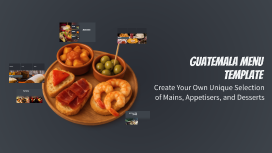
Guatemala Menu Template

Transcript: Jocon: Green Chicken Stew A green chicken stew rich in flavor, Jocon is made with tomatillos, cilantro, and green onions, creating a vibrant and aromatic dish. Kak'ik Pepián Guatemalan Tamales Paches: Mashed Potato Dumplings Kak'ik is a traditional turkey soup known for its bold and spicy flavor. The vibrant red color comes from a mix of annatto and other spices, complemented by fresh cilantro and herbs, making it an invigorating appetizer. Pepián is a traditional Guatemalan meat stew, renowned for its rich and complex sauce made from roasted tomatoes, peppers, and a blend of spices. It is often served with rice, making it a hearty starter. Guatemalan Tamales are a staple appetizer, made from a corn dough filled with a variety of meats or vegetables. They are skillfully wrapped in banana leaves and steamed, preserving their flavor and moisture. Main Dishes Paches are delicious mashed potato dumplings that are filled with various meats and accompanied by a spicy tomato sauce, offering a comforting dish with a kick. Rellenitos: Stuffed Plantains Appetizers Rellenitos are a delightful treat made from sweet plantains, which are stuffed with black beans, fried to a golden perfection, making for a sweet and savory experience. Roscón Atol de Elote Tres Leches Cake Guatemala Menu Template Roscón is a traditional sweet bread that is particularly popular during celebrations in Guatemala. It can be enjoyed plain or filled with delightful ingredients like cream or fruit, making it a versatile treat for festive occasions. Tres Leches Cake is a beloved dessert in Guatemala, characterized by its moist texture achieved by soaking the cake in a mixture of three different types of milk. It's often topped with a rich layer of whipped cream, making it a favorite at celebrations and gatherings. Atol de Elote is a warm, creamy drink made from fresh corn, popular as a dessert in Guatemala. It offers a comforting sweetness and is often enjoyed during cooler evenings or as a special treat, presenting a unique taste of Guatemalan culture. Desserts Create Your Own Unique Selection of Mains, Appetisers, and Desserts Conclusion The Guatemalan menu embodies a rich tapestry of flavors and traditions, showcasing the country's diverse culinary heritage. Each dish reflects local ingredients, time-honored cooking techniques, and the cultural significance that elevates these meals beyond mere sustenance. Guatemala Menu Overview The Guatemalan menu showcases a vibrant array of culinary delights deeply rooted in the nation’s culture. Traditional ingredients such as corn, beans, and an assortment of spices are essential to creating authentic flavors that tell the story of Guatemala's rich heritage.

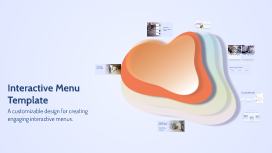
Interactive Menu Template

Transcript: User-friendly interface Responsive design Key Features of the Template Improved User Engagement Customizable elements Interactive menus capture user attention and encourage longer engagement with content. By allowing users to interact with the menu, businesses can foster a more engaging experience that keeps visitors on the platform longer. Integration with various platforms Enhanced Navigation An interactive menu provides a clear structure, allowing users to navigate to different sections easily. This streamlined navigation enhances user experience and reduces frustration when seeking information. Benefits of Using Interactive Menus Increased Accessibility Interactive menus can be designed to meet various accessibility standards, ensuring that all users, including those with disabilities, can access content easily. This inclusivity broadens the audience and enhances user satisfaction. Better Data Collection and Analytics Interactive menus allow businesses to gather data on user preferences and behaviors. This information can be analyzed to improve services, tailor content, and enhance overall user experience. Custom Design Options Predefined Templates Custom design options allow for more creative freedom, enabling users to tailor their menus to specific branding and aesthetic preferences. This approach may require more time and design knowledge but results in a unique and personalized user experience. Predefined templates offer users a quick and easy way to create an interactive menu without needing design skills. These templates are ready-made and can be chosen based on themes, providing consistency and a professional look for those who prioritize speed and convenience. Enhancing User Experience with Interactive Menus Examples of Interactive Menus Highlighting various applications of interactive menus in different industries. E-commerce Product Listings Restaurant Menus Educational Course Navigation Interactive menus serve as dynamic interfaces that guide users through options seamlessly. They improve navigation and engagement, making it easier for users to find information and make selections quickly. E-commerce platforms use interactive menus to filter products, compare features, and enhance the shopping experience for users. Interactive menus in educational platforms enable students to navigate through courses, access materials, and track progress effectively. Interactive digital menus allow customers to view items, customize orders, and see nutritional information in real-time. How to Implement the Template Interactive Menu Template A step-by-step guide to effectively use the interactive menu template. Step 4: Launch the menu Step 1: Choose a template Step 3: Test functionality Deploy the customized interactive menu and monitor user engagement for further refinements. Step 2: Customize elements Select a suitable interactive menu template that meets your design and functional requirements. Conduct thorough testing to ensure that all interactive elements operate as intended across different devices. Modify the template's components, including colors, fonts, and layout, to align with your branding. Best Practices for Interactive Menus Effective strategies to enhance user experience and engagement. A customizable design for creating engaging interactive menus. 70% 80% 65% User preference for simple navigation Success rate of tested menus Increased engagement with visual content The Significance of Interactive Menus Interactive menus play a crucial role in enhancing user experience by offering seamless navigation and personalized interactions. They cater to diverse user needs, making technology more accessible and engaging.

Now you can make any subject more engaging and memorable