You're about to create your best presentation ever

Free Powerpoint Templates Of Old Chinese Compass

Create your presentation by reusing a template from our community or transition your PowerPoint deck into a visually compelling Prezi presentation.

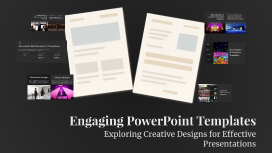
Engaging PowerPoint Templates

Transcript: Identify Audience and Purpose Understanding who will view your presentation guides your design choices. Types of Engaging PowerPoint Templates Business Templates Consider Content Type Different templates work better for various types of content, from data-heavy to narrative-driven. Business templates are designed with professionalism in mind. They feature clean lines, structured layouts, and corporate color schemes, making them ideal for presentations in corporate settings, meetings, and pitches. Evaluate Design Elements Look for templates that support your message through color, typography, and layout. How to Choose the Right Template Test Functionality Creative Templates Ensure the chosen template works seamlessly with your content and maintains audience engagement. Selecting the appropriate PowerPoint template enhances your presentation's effectiveness and audience connection. Creative templates break the mold with unique designs and artistic elements. They often include vibrant colors, unconventional layouts, and imaginative graphics, perfect for capturing attention in creative fields such as marketing, arts, and entertainment. Visually Appealing Designs Engaging PowerPoint templates feature striking visuals that are designed to capture the audience's attention right from the start. These designs leverage color, typography, and graphics to create a compelling visual experience. Customizable Layouts Conclusion Engaging PowerPoint templates play a crucial role in enhancing the clarity and effectiveness of communication in presentations. By utilizing these templates, presenters can create memorable experiences that resonate with their audience and convey messages more powerfully. Templates are designed to be flexible, allowing users to customize layouts according to their specific content needs. This adaptability ensures that each presentation can maintain its unique message while benefiting from a cohesive design. Key Features of Engaging Templates Consistent Branding Elements Consistent branding elements throughout the templates help establish a professional appearance. Using cohesive colors, fonts, and logos reinforces brand identity and enhances credibility in any presentation. Interactive Elements Engaging templates often include interactive elements such as hyperlinks, animations, and embedded multimedia. These features not only make the presentation more dynamic but also encourage audience participation and engagement. Time-efficient design process Benefits of Using Engaging Templates Increased information retention Higher overall presentation quality Enhanced storytelling capabilities "Good design is good business." Quote on Presentation Design Introduction to Engaging PowerPoint Templates Engaging PowerPoint templates play a crucial role in enhancing the effectiveness of presentations. They not only capture audience attention but also facilitate communication by organizing information in an appealing manner. Engaging PowerPoint Templates A Guide to Creating Visually Appealing Presentations

PowerPoint Game Templates

Transcript: Introduction to PowerPoint Game Templates PowerPoint game templates offer innovative ways to enhance engagement and interactivity in presentations. They transform traditional slides into dynamic experiences, making learning and information dissemination more effective and enjoyable. Quiz Templates Enhances Audience Engagement Encourages Interactive Learning Provides a Fun Way to Present Information Easy to Customize for Different Topics Jeopardy Style Templates By incorporating game elements into presentations, audiences are more likely to stay focused and participate actively, leading to improved retention of information. Game templates facilitate a hands-on approach to learning, allowing participants to apply what they learn in real-time, which enhances understanding and retention. Using game templates transforms traditional presentations into enjoyable experiences, making it easier for audiences to absorb complex information without feeling overwhelmed. Game templates are highly customizable, enabling educators and presenters to tailor content to specific audiences, topics, or objectives, thereby maximizing relevance and impact. Types of Game Templates Bingo Templates Interactive Story Templates Benefits of Using Game Templates How to Create a Game Template A structured approach to designing engaging game templates. Step 4: Test Functionality Step 1: Define Objective Step 3: Customize Content Conduct thorough testing to ensure the game operates smoothly and meets design criteria. Step 2: Select Template Adapt the template with unique content, visuals, and gameplay elements. Establish the primary goal of the game to guide the overall design. Choose a template that aligns with the game's theme and objectives. PowerPoint Game Templates Examples of Game Templates Quiz Template Quiz templates are structured for engaging quiz-style games featuring various question types, allowing players to test their knowledge in a fun and interactive way. These templates typically offer scoring features and can be tailored for different subjects or audiences, making them versatile for educational or entertainment purposes. Jeopardy Template Jeopardy templates emulate the classic TV game show format, where players select questions from categorized topics with differing point values. This format encourages strategic thinking and collaboration among players as they decide which questions to tackle, fostering a competitive yet educational environment. Engaging and Interactive Presentation Solutions The Power of PowerPoint Game Templates Utilizing PowerPoint game templates enhances engagement and interactivity in presentations. These templates facilitate learning by making information accessible and enjoyable, thereby increasing retention and understanding among audiences. Engagement is the key to effective learning and retention. Key Theme on Engagement

Chinese Compass

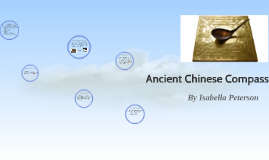
Transcript: The Chinese Compass When Invented Invented during Han Dynasty 220 B.C. Discovered naturally magnetized iron ore Also known as lodestone When Invented? Invented in Han Dynasty Not sure what individual made it Became common in Song Dynasty Took 700 years to become common Who Invented It? Who invented it? Magnetized lodestone placed on bronze plate Unrestricted lodestone points the same way Lodestone carved into spoon Lodestone is naturally magnetized Spoon would always face south How Invented? How Invented? What it is Made of: What it is made of? Iron Oxide A bronze plate https://www.google.com/url?sa=i&url=https%3A%2F%2Fenglish.cctv.com%2Fprogram%2Fnature%26science%2F20060109%2F101527.shtml&psig=AOvVaw1L5ECcrD1tb92yQTULVmyy&ust=1637686770480000&source=images&cd=vfe&ved=0CAwQjhxqFwoTCNC0jPi4rPQCFQAAAAAdAAAAABAO (Iron Oxide is also known as lodestone or magneta.) https://www.google.com/url?sa=i&url=https%3A%2F%2Fwww.gettyimages.com%2Fphotos%2Fancient-chinese-compass&psig=AOvVaw0j3Kq3XbiIrDbpqtMmEJUD&ust=1637686884169000&source=images&cd=vfe&ved=0CAwQjhxqFwoTCJjYsJ25rPQCFQAAAAAdAAAAABAF Description Iron is shaped into a spoon Flat pressed bronze plate Plate has main 4 directions Plate also has major constellations Some will have meaningful symbols Description How is it Used? Point of spoon will point south Compass kept harmony and showed wealth Used for fortune telling Good luck if building facing correct direction How is it Used? https://www.google.com/url?sa=i&url=https%3A%2F%2Fcommons.wikimedia.org%2Fwiki%2FFile%3AAntic_chinese_Compass.jpg&psig=AOvVaw2F5EnGN88fWro62DQcv5zd&ust=1637688093926000&source=images&cd=vfe&ved=0CAwQjhxqFwoTCKjd_-C9rPQCFQAAAAAdAAAAABAY Extra Extra

Chinese Compass

Transcript: What was the significance and influence of the compass? Chinese Compass Who invented the compass? The first compass was invented in Ancient China, during the Han Dynasty between the 2nd century BC and 1st century AD and they developed it in order to help with the Feng Shui practice. This practice involved aligning one’s self and others with the earth. The Ancient Chinese used the compass to help direct them towards a life of balance and oneness with the earth. It was used in military navigation by 1040 to 1044 and for maritime navigation by 1111 to 1117, during the Song Dynasty. People usually built early compasses using lodestone, a special form of the mineral magnetite that, as a natural permanent magnet, aligns itself with the Earth’s magnetic field. exhibits north-south polarity. Fashioned into the shape of a spoon or ladle, the lodestone sat upon a flat, square-shaped plate made of bronze, which served as a representation of Earth. In the center of the plate, was a large circle representing the Heavens appeared in which the lodestone was placed. This circle represented the Heavens. The lodestone spoon itself symbolized the constellation the Great Bear (also called Ursa Major), which contains the collection of stars known as the Big Dipper. Because of the properties of lodestone, the handle of the spoon always pointed towards the south. People used the Chinese compass as a navigational aid. Zheng He from the Yunnan province of China was the first person recorded to have used the Chinese compass as a navigational aid. He used it in his voyage between 1405 and 1433. Later, after a thousand years, Europeans and West Asians learned about the compass. William Gilbert then published a paper on magnetism, which is the main component of the compass. Navigators also use the compass to locate the magnetic North Pole. Then, in 1825, British inventor William Sturgeon invented a compass using the concept of electromagnetism. What did the compass look like? Video zhǐ​nán​zhēn By David Kiley and Scott Burk Chinese Compass

Compass-(Chinese)

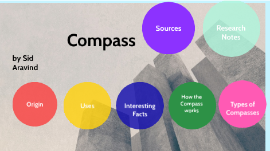
Transcript: by Sid Aravind Compass The First compass was invented in China during the Han Dynasty between the 2nd century BC and 1st century AD. Compass Origin Origin First compass invented in the Han Dynasty Used for divination, fortune-telling and geomancy. Later people discovered that it can be used for navigation and orientation. Earliest compasses were made out of lodestone Earth itself acts as an enormous magnet with a north-south field making magnets attracted to the poles During the World War II, compasses were smuggled to the prisoners of war in German camps in the form of buttons and razor blades to help prisoners escape. took hundreds of years for it to be discovered Research Notes Research Notes At first, it was used for divination, fortune-telling and geomancy but eventually people figured out it could be used for navigation and orientation. Uses Uses Although the compass is simple, it took hundreds of years for it to be discovered and another hundreds of years to be used for navigation instead of an artifact. During World War II, compasses were smuggled to the prisoners of war in German camps in the form of buttons and razor blades to help prisoners escape. The first compasses were made of Lodestone Interesting Facts Interesting Facts Magnetic compasses work because the Earth itself acts as an enormous magnet with a north-south field that causes moving magnets to take on the same direction. How the Compass works How the Compass works URL: http://www.historyofcompass.com/ Website: TitleHistory of Compass - Who Invented Compass? Access Day: 10 Access Month: december Access Year: 2019 Article Title: Facts and History of the Compass Source 1 Sources URL: https://www.britannica.com/technology/compass-navigational-instrument Website: TitleEncyclopædia Britannica Publication Day: 04 Publication Month: April Publication Year: 2019 Access Day: 11 Access Month: december Access Year: 2019 Article Title: Compass Source 2 Source 2 URL: http://www.historyofcompass.com/ Website: TitleHistory of Compass - Who Invented Compass? Access Day: 10 Access Month: december Access Year: 2019 Article Title: Facts and History of the Compass Source 3 Source 3 URL: http://www.historyofcompass.com/compass-history/ Website: TitleCompass History - Navigational, Magnetic, Gyrocompass and Modern Compass Access Day: 11 Access Month: december Access Year: 2019 Article Title: Compass History - From First Magnetic Compass to Modern Compasses Source 4 Source 4 URL: https://www.universetoday.com/77072/how-does-a-compass-work/ Website Title: Universe Today Publication Day: 24 Publication Month: December Publication Year: 2015 Access Day: 11 Access Month: december Access Year: 2019 Article Title: How Does a Compass Work Source 5 Source 5 Article Title Interesting Facts about Compass URL http://www.historyofcompass.com/compass-facts/interesting-facts-about-compass/ Website Title Interesting Facts about Compass - Information about Compass Date Accessed December 11, 2019 Source 6 Source 6 URL: http://www.historyofcompass.com/compass-facts/compass-types/ Website: Title: Compass Types - Different Types of Compasses Access Day: 11 Access Month: december Access Year: 2019 Article Title: Main Compass Types - Different Types of Compasses Source 7 Source 7 The two main compasses are the magnetic and Gyro compasses but there are others such as... Liquid compass Marine compass Prismatic compass Base plate compass Astrocompass Types of Compasses Types of Compasses

Interactive PowerPoint Templates

Transcript: Examples of Interactive PowerPoint Templates Educational Templates Interactive presentations enhance communication by engaging the audience through dynamic content, fostering a memorable learning experience. Educational templates are designed to facilitate learning through engaging quizzes, multimedia elements like videos, and interactive activities that keep students interested and motivated. These templates often include features like drag-and-drop activities and instant feedback on quizzes. Conclusion Business Templates Business templates focus on presenting complex data clearly and effectively. They incorporate interactive charts, graphs, and infographics that allow users to explore data by clicking on various elements to reveal more details, making the information more digestible and impactful. How to Create an Interactive Template Follow these key steps to design an effective interactive PowerPoint template that captivates your audience. Interactive PowerPoint Templates Test Functionality Define Your Goals Add Interactive Elements Verify that all interactive components function correctly and improve the audience experience. Choose a Template Incorporate features like hyperlinks, quizzes, and multimedia to enhance engagement. Establish the main objectives of your presentation to guide content creation. Select a suitable base template that aligns with your presentation's theme and audience. Enhancing Engagement and Creativity in Presentations Hyperlinks for Easy Navigation Hyperlinks allow users to jump between different sections of the presentation or access external websites. This feature enhances navigation and keeps the audience engaged by providing relevant information at their fingertips. Multimedia Integration Enhances Engagement Multimedia integration enriches presentations by adding videos, audio clips, and animations, making content more engaging. This feature helps convey messages more effectively and keeps the audience interested. Key Features of Interactive Templates Interactive Quizzes for Knowledge Assessment Interactive quizzes can be embedded within the presentation to assess audience understanding in real time. This feature encourages participation and helps reinforce learning through immediate feedback. Customizable Layouts for Tailored Presentations Customizable layouts allow users to modify templates to fit their specific content needs. This flexibility ensures that presentations can be tailored to suit different audiences and topics, enhancing overall effectiveness. Increased audience engagement Benefits of Using Interactive Templates Enhanced information retention Flexibility in presentation style Easy to customize and adapt Introduction to Interactive PowerPoint Templates Interactive PowerPoint templates are designed to involve the audience actively, rather than just passively viewing slides. They provide features like quizzes, multimedia, and navigation tools that make information easier to understand and remember.

Now you can make any subject more engaging and memorable