You're about to create your best presentation ever

Empathy Map Powerpoint Template

Create your presentation by reusing a template from our community or transition your PowerPoint deck into a visually compelling Prezi presentation.

Empathy Map template

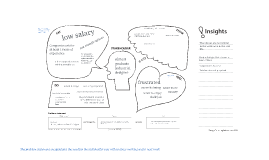
Transcript: "In addition to the resumes/interviews, some sort of standard tests can be given to evaluate students’ practical skills (hard and soft)." "I would evaluate not just soft skills but technical skills and perhaps more on-the-job or real life evaluations." Use meetups and other events to advertise openings & network with candidates at a more informal level. Hiring Manager "People in college should spend time interning somewhere to get a feeling for what it is really like to work someplace." Ask situational questions to gain insights into candidate’s thought process and their approach to solving problems. Job candidates are ill-prepared to enter the workforce. Pre-screened candidates from recruiters, current employees or social networks, are good sources of skillful applicants. "I think that the final interview should be a day at work. " Frustrated Resigned A hiring manager, tired of interviewing unskilled applicants Cynical Use LinkedIn and personal networks to seek out new hires. The problem statement encapsulates the need for the stakeholder you will continue working on for next week Use recruiters & recommendations from highly regarded co-workers. Although the majority of the people that I interviewed agreed that students lack practical work skills, they did not cite this as something THEY needed help with when they looked for a job after college. They primarily wished they had things like mentors to guide them; an awareness of opportunities; salary negotiating skills; etc. This is notable because this was a reflective question that could've been tainted by their current knowledge. However, the most commonly cited complaint regarding student applicants (lack of practical skills) did not come to bear on their own recollection of their job search experience. Perhaps they believe they had all the necessary skills upon graduating but it points out that because students don't know what specific skills they need for a specific job, eg. knowledge of Oracle Reporting System; they can't seek it out. Even if there is an awareness and a desire to learn a practical skill, access to specialized software or enterprise systems is restricted to employees. To make matters more complex, this discussion does not consider the needs of the student who is unsure about her career path. Despite the consensus that skills testing was necessary, none of the organizations the interviewees work for conduct any type of skills evaluation nor do they have programs to foster this knowledge in students prior to graduating. Unfortunately, I did not have the opportunity to observe a hiring manager at work, but here are some things they reported doing. Students do not have specific technical/practical skills sought by hiring companies. "I can’t say [interviewing] is highly effective because it sometimes leads to recruiting students who do not perform well on the job. I think on-the-job evaluation may be more effective." there is a shortage of skilled applicants due to a lack of training & mentoring programs in schools. identify, and perhaps, foster a qualified applicant pool

Empathy Map template

Transcript: it is a benefit for the student to work in such a company, and it is surprising why there are not many applications We do not know what is going to happen under these economic situations the company is a bit suspicious to university departments there are other benefits to work with us we do a lot of outsourcing I do not know exactly what the student will do in the company. What exactly their job will be pressure being between the company departments and what people outside the company A 40 years old lady who works in HR (human resource) department in a big oil company in Greece may be somewhat more friendly than professional We have seasonal staff needs The hard working, friendly and helpful HR employee in a big oil company in Greece, who works overtime (most of the time without extra payment) as often as it is needed to have the work done they take her for granted students prefer to wait for the right position for them, than work for a subject less relevant to their studies We all do several things in the company, eg I may work in HR department, but sometimes I may go to accountant department as well describe in more detail and give more information about the new job openings in the company, to the departments of the universities who send students to do their work experience semester. When the job experience semester ends, we call the best of the students to work with us professionally that most employees do not care for the company she does not ask for the resources she needs to do her work more efficiently the placement department in university wants to know exactly what the student will do in the company We look for people who want to learn, not just wait for their semester to end we apply to universities for our seasonal staff needs, but there are not many students who are willing to work with us in that case more students will be willing to do their work experience semester in the company she works and that will benefit both company and young people to find their place in the market, in a such difficult economic situation. committed to her job It is really weird that in such economic situations we do not have a lot of interest from students to work with us Off course always there are exceptions. I had a student who even though she was in computers in university, she asked to come in HR. She was very good and finally she helped us with computer work even though in the begining I had not computer work to give to her. She also made good money from the company we give feedback when we reject someone good work is always well paid she often works overtime without being payed for it we need staff from the fields of business administration, economics, etc. some of her problems in her job, may not be practical but emotional ones feel proud working in this company young people do not want to try a lot nowadays the company cannot plan in long term nowadays. 15 years before we could make plans for 5 years ahead. Now we cannot she is overcomittted to her job, but at the end of the day she has not the resources she needs.

Empathy Map template

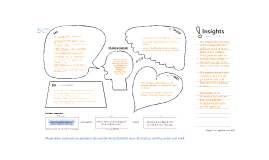
Transcript: Just followed the family carrer perhaps opening his business can be a good option He doesn't love what architecture (his major) but really loves graphic Design The interviwed is with a low selfsteem If you were able to make any direct observations of the person you interviewed in action, here is where you describe what you observed (feel free to delete this once you copy the template) The interviwed has a strong and dynamic personality Adapt his carrer while there is still time to "I should've done minor studies along with my major" "I believe that salary is not what motivates me the most" The stakeholder is unhappy with the Major (Architecture) he choose Make inferences here about the person's thoughts, deriving from the SAY and DO sections "I don't see myself working for others for a long time" "College didn't quite prepare me to what worklife is needs" Need the "guts" to change things The interviwed needs to admit to himself what his passions are and chase them He should try to adapt his carrer while there's still time Find ways to comprehend what he really enjoy doing Believes architecture is too complex The problem statement encapsulates the need for the stakeholder you will continue working on for next week Here is where you add what your interviewee said (feel free to delete this once you copy the template) Makes notes here about all the things that surprised you from the interview, and those that challenged the assumptions you had. Make inferences here about the person's feelings, deriving from the SAY and DO quadrants The interviewed showed a very enterpreneur personality

Empathy Map Template

Transcript: Vibrant Colors and Engaging Designs Persona B is often drawn to bright, vibrant colors and engaging designs in marketing materials and social media. These visual elements not only catch their eye but also resonate with their interests and needs. Welcoming Environments See: Insights and Responses for Persona B They are attracted to open, welcoming environments such as parks, cafes, and well-designed spaces that enhance their social experiences. These settings contribute positively to their mood and interactions. Analytical Thought Process Guiding Values Occupying Concerns Persona B often processes information through critical analysis, weighing pros and cons before making decisions. They value logic and seek evidence to support their beliefs, leading to a thoughtful and deliberate approach to problem-solving. Core values for Persona B include integrity, innovation, and personal growth. These values drive their choices and influence their interactions with others, as they seek opportunities that align with their principles. Persona B frequently worries about societal pressures, career stability, and the impact of their decisions on their future. These concerns drive them to seek reassurance and validation from trusted sources. Storytelling Through Visual Content Persona B engages with content that is visually stimulating and tells a story, such as videos, infographics, and interactive media. These formats not only capture their attention but also facilitate better understanding and retention of information. Think: Insights and Responses for Persona B Section 2: Empathy Map for Persona B This section presents the empathy map for Persona B, which highlights their unique perspectives and experiences. Understanding these elements is crucial for tailoring approaches that resonate with their needs and aspirations. Trusted Influencers Persona B values the opinions of industry experts and thought leaders, often turning to them for guidance and inspiration. These individuals shape their preferences and decisions significantly. Social Circle Insights Hear: Insights and Responses for Persona B Feedback from close friends and family plays a crucial role in Persona B's decision-making process. They often rely on these insights to validate their thoughts and choices, particularly in significant life decisions. Benefits Sought Aspirations and Desires Success Metrics Persona A looks for products and services that provide tangible benefits, such as time-saving features, improved productivity, and enhanced user experience. They prioritize quality and effectiveness in their purchasing decisions. Persona A aspires to enhance their professional skills and achieve personal growth. They seek opportunities that allow them to learn and develop, driven by a desire for self-improvement and career advancement. Success for Persona A is measured through achieving set goals, receiving recognition for their efforts, and experiencing satisfaction in their personal and professional lives. They define success by the impact they make and the progress they achieve over time. Resonant Media Channels Gain: Insights and Responses for Persona A Persona B engages with various media channels, including podcasts, blogs, and social media, which reflect their interests and values. These media sources resonate deeply with them, often shaping their perspectives and actions. Common Phrases Persona B frequently uses phrases such as 'That's interesting!' and 'I see what you mean!' which reflect their openness to new ideas and perspectives. Key Messages Say: Insights and Responses for Persona B In discussions, Persona B often emphasizes the importance of community and collaboration, expressing thoughts like 'We can achieve this together!' or 'Collaboration is key!'. Feedback Style Feedback shared by Persona B tends to focus on constructive criticism and encouragement, with statements like 'I think we can improve this by...' and 'Great job on this, but have you considered...?'. Challenges Faced by Persona A Persona A encounters various challenges that hinder their progress, including time management issues and lack of resources. These obstacles often lead to feelings of being overwhelmed and stressed, impacting their overall productivity. Active Community Engagement Tech-Savvy Engagement Structured Daily Routine Persona B tends to be very active and engaged in community activities, attending workshops and social events regularly. This behavior not only reflects their desire to connect with others but also their inclination towards personal development. Persona B frequently engages with technology, utilizing various apps and devices for both work and leisure. Their interaction with products usually involves thorough research and reviews before making a decision, reflecting a thoughtful approach to their purchases. A typical day for Persona B includes structured routines, such as morning exercise followed by work hours, and in the evening, they often dedicate

Empathy Map template

Transcript: The student doesn't come out of college with the ability to work in many fields of advertising. They graduate with an overview knowledge, that isn't enought to set they on the labor market. The student doesn't feel capable to practice the profession only with what they have learned in class. Depending of the University the teachers have an academic background and not a market approach needs a way to get more prepared for future in her career Mariana, 22 years old, who has just finished graduation in Advertisement and have been working as copywriter in the last 2 years. If you were able to make any direct observations of the person you interviewed in action, here is where you describe what you observed (feel free to delete this once you copy the template) • Having experience is more important than a degree. • She is letting the flow conducts her, at least, at this moment. • As she has just finished graduation she is going to change her behavior, trying to be more professional. because the college didn't provided deep knowledge The problem statement encapsulates the need for the stakeholder you will continue working on for next week During the graduation I have developed a critical thinking which is fundamental for my function. I have developed my skills more from the market labor, than from the university. Despite the course has a practical approach in the last two years, its doesn’t work in the same way. I would be lost now, if I hadn’t been working during my college. The experience is very important in our field, mainly in creative area. I looked for attending a course outside the college to improve my knowledge in the creative area and learn more about the career in Advertising, but all this could have been teached at the college. The university doesn’t help the student to think about their career. It only keeps up the internship, not worrying about the future of the student. I can’t imagine what I will be doing in 5 years time, and it scares me. I’m a very organized person and not having a plan for the future is very worrying. The college doesn't prepare you to be a "Professional advertiser" and to performing all duties that are related to the course. What makes you professional is the labor market. I would like to have left the college more capable to work in another field of Advertising, but I only feel confident to work as a copywriter and in marketing, maybe. The changes that I feel after graduating are that I can’t justify my actions based on the fact that I’m just student. My responsibilities increased, as well as the perceived value of my work. Here is where you add what your interviewee said (feel free to delete this once you copy the template) Makes notes here about all the things that surprised you from the interview, and those that challenged the assumptions you had. Make inferences here about the person's feelings, deriving from the SAY and DO quadrants • She is happy at the moment, but she becomes apprehensive when asked about the future. • She feels that the future can be very different. There isn't a goal defined. • Mariana is a very outgoing person, always in a good mood with their colleagues. • During the day, she often visits their colleagues, to see what they are doing. • She seems to be very focused during the working time. • When she has too much work, she gets more quiet than she used to be. • I didn't see her exchanging information with her supervisor in person. The same doesn't happen with their colleagues copywriters. Make inferences here about the person's thoughts, deriving from the SAY and DO sections Mariana, 22 years old, who has just finished graduation in Advertisement and have been working as copywriter in the last 2 years.

Empathy Map template

Transcript: Elba, retired bussines administrator. She always worked as an accountant assistant. Married without children. She worries about her mother and sisters who take advantage of her. First day of work The place was pretty. It was awesome to work with other young people from various disciplines like geography, sociology, etc. The best memory was her first payment. What could be improved If you were able to make any direct observations of the person you interviewed in action, here is where you describe what you observed (feel free to delete this once you copy the template) She likes to enjoy at home living without worry A friend told her about a government agency who requested for students to do professional practices. enjoy life Another interview The recruiter asked her about her career, just to know where she could developed better her work. She was hired. She would like to do things that she always wanted to Elba, bussines administrator She avoids stressful situations Due to her father's dead she had worked before graduating as a secretary for independent professionals when she was a teenager. When she graduated she looked for a job in Procter&Gamble. She would like to learn decoration learn new things Make inferences here about the person's thoughts, deriving from the SAY and DO sections Present Experiences in the past School to Work Transition She was very emotional at work. She was very friendly with her bosses and coworkers. Later she had other government job, better paid, but less interesting, more stressful. The organization had very few promotions so she has occupied the same role for years. Job interview She would like to help her family Now, after 30 years working she has retired at 55 years old, figuring out what could do with the rest of her life. She is married. Her husband still works. She enjoys to be at home She wants to feel herself more secure generate an additional income to her pension The problem statement encapsulates the need for the stakeholder you will continue working on for next week Although she was a competent person she has always been timid. So she always did what she was ordered without complain. Other people took advantage of her work without acknowledgment. She assured a place at the company but with very few incentives. Wife Makes notes here about all the things that surprised you from the interview, and those that challenged the assumptions you had. The interviewer asked if she had experience. As she did not have any as an administrator, he suggested her to take a course in the company without payment. Make inferences here about the person's feelings, deriving from the SAY and DO quadrants She wants to start a business Key event She wants to learn new things. She has had problems of self esteem No children increase her self esteem The only motivation to do something additional is to avoid uncertainty.

Now you can make any subject more engaging and memorable