You're about to create your best presentation ever

Central Hub Powerpoint Template

Create your presentation by reusing a template from our community or transition your PowerPoint deck into a visually compelling Prezi presentation.

The Hub Central

Transcript: reignite the Jewish imagination! A ground-breaking venture... A catalyst for innovative Jewish experiences... A collection of programs, event and entrepreneurship... ...all centralized in one physical space. Showcasing Israeli Innovation and providing opportunities for Atlantans of all ages to experience Israel’s scientific, technological and social breakthroughs while developing entrepreneurial skills to better our community. Business Community School Programs connect our community! https://business.facebook.com/queenb.program/videos/1618574911539192/ The Innovation Experience Center Connecting Jewish organizations and businesses with Israeli start-ups to advance programming and economic development for our community. Co-working space to foster collaboration in Atlanta’s Jewish community Partnership with synagogues to create Airbnb model of shared economy, facilitated by Israeli company, Playkers Conference rooms, private office space, desks, lounge areas Special Events Shared Workspace speaker series movie viewings workshops hackathons networking events social gatherings teacher training Innovation Experience Center Incubator for Israel's newest and most dynamic start-ups Shared, flexible, and collaborative workspace solution for Atlanta's Jewish community An Israeli-style cafe what is it? Offering a wide range of events that engage participants in the entrepreneurial process and highlight Israel’s role in being the world’s leader in startups and innovation. Age-appropriate, interactive activities that allow students to experience Israel’s most exciting contributions in various sectors. cutting edge Israeli technology, products and services Jewish Organizations inspire the next generation! generate positive economic impact! Year-long social impact collaborative projects with partner schools in Israel. Students work alongside Israeli counterparts to brainstorm, plan and execute original ideas. Jewish teens will develop entrepreneurial skills as they are paired with local business leaders and mentors to better our community. The Best of Israel https://tinyurl.com/taginnovate connecting the dots Group visits Commercial Incubator The Hub is a multi-use facility with the following programs: connect with Israel in a modern, refreshed and meaningful way!

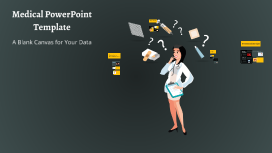
Medical PowerPoint Template

Transcript: Medical PowerPoint Template Design Elements Color Schemes for Medical Presentations Font Selection for Readability Color schemes significantly affect audience understanding and retention. In medical presentations, using blue and green hues promotes calmness and trust, while contrasting colors can highlight key information and enhance visibility. Choosing the right font is crucial for comprehension. Sans-serif fonts like Arial or Helvetica are recommended as they are easier to read on screens. Always ensure that text is large enough to be legible from a distance. Incorporating Graphics and Images Layout and Structure Incorporating relevant graphics can enhance understanding and retention of complex ideas. Use high-quality images, charts, or diagrams that directly relate to the content to support the narrative without overcrowding the slide. A well-structured layout guides the audience’s eye and improves information flow. Utilize a grid system to maintain alignment and consistency, making sure to reserve space for visual elements. Balance text with images to avoid clutter. A Blank Canvas for Your Data Presentation Tips Best Practices for Delivery Content Organization in Medical Presentations Engaging Your Audience Practicing your presentation can lead to smoother delivery and reduced anxiety. Utilize appropriate body language, voice modulation, and eye contact to foster a connection with the audience, making your message more impactful. Audience engagement is critical for effective communication. Techniques include asking rhetorical questions, using relatable examples, and incorporating multimedia elements to maintain interest and encourage participation. Title Slides and Headings Introduction to Medical Presentations Title slides set the stage for your presentation and should include the topic, your name, and the date. Headings throughout the presentation guide the audience through the narrative and facilitate smooth transitions between topics, ensuring clarity and focus on key messages. Bullet Points vs. Paragraphs Handling Questions and Feedback Bullet points provide concise and digestible pieces of information, making it easier for the audience to follow along. In contrast, paragraphs may be necessary for complex concepts but should be used sparingly to maintain attention and avoid overwhelming the viewer. Practicing and Timing Your Presentation Using Tables and Charts Tables and charts effectively present quantitative data, making complex information more approachable. They facilitate quick understanding of trends and relationships within data, enhancing the audience’s ability to interpret clinical findings or statistical results. Rehearse your presentation multiple times to refine your delivery and timing. Understanding how long each section takes helps ensure that you cover all material without rushing or exceeding your allotted time. Encourage questions to create a dialogue with your audience. Responding thoughtfully to feedback shows respect for their input and enhances clarity for everyone involved, improving overall comprehension. Citing Sources and References Importance of Visual Aids Citing sources is crucial in maintaining credibility and allowing the audience to explore further. Proper referencing not only attributes the original work but also strengthens arguments presented in the medical content, supporting evidence-based practice. Visual aids play a crucial role in medical presentations by simplifying complex information. They help audiences grasp essential concepts quickly, improving retention and engagement through the use of charts, images, and videos. Overview of PowerPoint Features PowerPoint offers various features to enhance medical presentations, including templates specifically designed for medical content, the ability to incorporate multimedia, and options for animations that can illustrate processes or changes over time. Objectives of the Medical Template The medical PowerPoint template serves to streamline the creation of presentations by providing a standardized format. This ensures consistency in design and aids users in organizing their data effectively for clarity and impact.

Editable PowerPoint Template

Transcript: Editable PowerPoint Template Guiding Principles for Effective Presentations Design Principles Introduction to Editable Templates Consistency in Style Color Schemes and Branding Maintaining a consistent style throughout a presentation reinforces the brand image and enhances comprehension. Consistent elements, such as color, fonts, and layouts, help the audience follow the narrative without distractions. A well-chosen color scheme can evoke specific emotions and create a memorable experience. Aligning color choices with branding principles ensures recognition and reinforces your message effectively across all slides. Visual Hierarchy and Layout Definition and Purpose Font Selection and Readability Establishing a clear visual hierarchy guides the viewer's attention to the most critical information. Effective layout techniques, such as balancing text and images, can ensure that key points stand out in your presentation. Overview of PowerPoint Benefits Editable templates are pre-designed formats that allow users to modify content, layout, and design. Their primary purpose is to save time and maintain consistency in presentations across different topics and audiences. Choosing the right fonts is crucial for readability and engagement. Sans-serif fonts are generally preferred in presentations due to their clean lines, while limiting the number of font types maintains visual clarity. PowerPoint simplifies the presentation creation process through intuitive tools and features, such as templates, animations, and multimedia integration. Its widespread use ensures compatibility, making it accessible for diverse audiences. Importance of Editable Formats Examples of Use Cases Editable formats promote collaboration among team members, allowing multiple users to contribute to a single presentation without confusion. They enhance adaptability to specific audience needs, ensuring relevant and impactful communication. Editable templates can be applied in various scenarios, including corporate training sessions, educational lectures, and marketing presentations. They help to tailor content to specific objectives while maintaining a professional appearance. Content Guidelines Structuring Your Narrative Incorporating Data Visualizations Use charts and graphs to represent complex data simply, making it easier for the audience to grasp key points. Ensure visualizations are labeled correctly, providing context to avoid misinterpretation. Organize content logically, beginning with a clear introduction, followed by key points and a strong conclusion. Each section should transition smoothly to maintain audience engagement and ensure key messages are memorable. Effective Use of Text and Images Engaging Your Audience Customization Tips Balance text and visuals to enhance understanding, ensuring that images complement and reinforce the message rather than distract. Limit text on slides to key phrases to promote clearer communication and retention. Use interactive elements such as polls, questions, or discussions to foster audience participation and create a dynamic atmosphere. Understanding your audience and addressing their interests can significantly enhance engagement levels. Adding Multimedia Elements Altering Templates for Your Needs Customize templates to reflect your unique branding and message. Adjust colors, fonts, and layouts to better align with your content's theme and improve audience engagement. Take advantage of template features to create a distinct visual identity. Incorporate videos, audio clips, and animations to create dynamic presentations. Multimedia can significantly enhance the storytelling aspect, making information more compelling and easier to retain for your audience. Saving and Sharing Templates Best Practices for Adaptation After customization, save templates in accessible formats for future use. Use cloud services for easy sharing among team members, ensuring everyone has the most up-to-date version to maintain consistency in presentations. When adapting templates, keep the audience's needs and perceptions in mind. Use feedback to refine designs and ensure your modifications serve the original purpose while enhancing clarity and effectiveness.

🌐 Central Hub

Transcript: Academic References (APA 7th) This slide presents a comprehensive reference list formatted according to APA 7th edition guidelines. Proper citation is crucial for academic integrity and supports the credibility of the presented material. The Impact of Effective E-Learning Design Well-designed e-learning experiences lead to improved learner satisfaction, increased retention rates, and successful outcomes. By focusing on the needs and preferences of adult learners, we can cultivate a more engaged and empowered learning environment. A1: Why It Matters Understanding adult motivations Managing multiple responsibilities Tailoring learning experiences Why It Matters Understanding adult learners is crucial for creating effective e-learning experiences. Adults often juggle multiple responsibilities, including work and family, which influences their learning preferences and motivation. Understanding Adult Learners Frameworks for Design Frameworks for designing e-learning experiences should focus on three key areas: Motivation, Accessibility, and Community. These elements are essential for engaging adult learners effectively and meeting their diverse needs. Designing Engaging and Relevant E-Learning Experiences for Adult Learners Motivation drives learner engagement Accessibility ensures equal opportunities Integrating the Frameworks Community fosters collaboration and support Holistic design enhances retention In today's fast-paced world, creating effective e-learning experiences tailored to adult learners is essential. This presentation outlines key strategies and frameworks to enhance motivation, accessibility, and community engagement in e-learning environments. Integrating frameworks improves outcomes Integrating the Frameworks Impact of Effective Design Integrating frameworks of motivation, accessibility, and community creates a holistic approach to e-learning design, addressing diverse learner needs. This intersection fosters an inclusive environment that encourages engagement and retention among adult learners. Effective design significantly impacts learner outcomes, enhancing motivation and deepening understanding. By focusing on the whole learner, we promote not just knowledge acquisition but also growth and development, leading to better success rates. Designing for the Whole Learner Lack of Social Presence and Community in Adult E-Learning Social interaction plays a crucial role in enhancing the learning experience for adult learners. By fostering a sense of community through collaborative tools, we can significantly improve engagement and motivation, leading to more effective learning outcomes. Central Hub Exploring Effective Strategies for Designing E-Learning for Adults Limited Digital Literacy and Confidence Many adult learners face challenges with digital skills, impacting their ability to engage in e-learning. Assessing these skills and providing tailored resources and support can empower learners to build confidence and competence in a digital environment. Frameworks for E-Learning Design Motivation in E-Learning Motivation is key in creating engaging e-learning experiences for adult learners. This includes developing content that resonates with their experiences, providing relevant examples, and encouraging feedback. Building a sense of community through collaborative activities further enhances motivation and engagement. Accessibility in E-Learning Balancing Life, Work, and Learning Accessibility ensures that all learners can navigate and benefit from e-learning resources. This involves creating user-friendly interfaces, offering support for diverse learning needs, and providing flexible learning options. Resources for skill development are essential to empower learners of all backgrounds and abilities. Adult learners often juggle multiple responsibilities, making effective time management essential for their success. Implementing strategies such as prioritization, scheduling, and setting clear goals can create a supportive learning environment that accommodates their unique challenges. Lack of Motivation and Interest Understanding how to reignite passion and engagement in learning. Cognitive Aging and Processing Recognizing the impact of age-related cognitive changes on learning capabilities. Balancing Life, Work, and Learning Exploring strategies to harmonize various life commitments while pursuing education. Limited Digital Literacy and Confidence Challenges in Adult E-Learning Assessing the need for foundational digital skills to navigate e-learning platforms. Lack of Social Presence and Community Fostering a sense of belonging and interaction among adult learners. Identifying key obstacles faced by adult learners and addressing them with effective solutions. Cognitive Aging and Learning Processing As adults age, cognitive changes can impact learning capabilities. Tailoring content to accommodate these changes enhances retention and comprehension, providing a more effective e-learning

PowerPoint Portrayal Template

Transcript: PowerPoint Portrayal Template Mastering Delivery Techniques Enhancing Content Engaging Your Audience Presentation Skills Engagement strategies include asking questions, encouraging participation, and incorporating relevant anecdotes. Active engagement fosters curiosity, making the audience feel involved and invested in the presentation's outcomes. Strong presentation skills encompass clarity of speech, body language, and vocal variety. Practicing these skills helps to build confidence and ensures the message is delivered effectively, encouraging audience retention and understanding. Visual Aids: Images and Graphs Handling Questions and Feedback Crafting Effective Visual Presentations Timing and Pacing Use high-quality images and graphs to complement your data and enhance understanding. Visual aids can illustrate complex concepts more clearly and capture the audience's attention, resulting in better retention of information. Effective presentations balance thoroughness with brevity, maintaining audience attention throughout. Mastering timing and pacing enhances comprehension, ensuring that key messages are communicated without rushing or dragging. Anticipating questions showcases knowledge and prepares for an interactive session. Managing feedback graciously encourages dialogue and reflects openness to diverse perspectives, reinforcing rapport with the audience. Importance of White Space Effective Use of Text Incorporating white space enhances visual clarity and reduces clutter, allowing the audience to focus on key elements of the slide. Effective use of white space can lead to a more professional and appealing presentation layout. Limit the amount of text on slides to focus on key points. Utilize bullet points for clarity and avoid long paragraphs, allowing for easier reading and comprehension during the presentation. Storytelling Techniques Utilize storytelling techniques to make the presentation relatable and engaging. Incorporate anecdotes, case studies, or relatable experiences to evoke emotions and foster a connection with the audience. Introduction to PowerPoint Importance of Visual Presentations Visual presentations are crucial as they increase retention rates by up to 65%. Effectively combining visuals with verbal communication caters to diverse learning styles, making it easier for audiences to grasp complex information swiftly. Conclusion and Best Practices Goals of Effective Presentation The primary goals of an effective presentation include clarity, engagement, and persuasion. A well-crafted presentation supports the speaker's message, stirs audience interest, and prompts desired actions or insights, making the content memorable. Overview of PowerPoint Features PowerPoint integrates features such as slide templates, animation, and multimedia support. These tools allow users to create dynamic presentations, engaging their audience visually and auditory, resulting in a more impactful delivery of content. Recap of Key Points Design Principles Effective presentations hinge on design consistency, thoughtful content enhancement, and strong delivery techniques. Recapping objectives, using visual aids, and engaging the audience are foundational elements that ensure information retention and impact. Color Theory and Usage Consistency in Design Color theory is crucial in presentation design as it influences emotions and perceptions. Choosing the right colors can enhance readability, evoke feelings, and strengthen brand identity through consistent color application. Consistency in design creates a cohesive look throughout the presentation. Utilizing the same color palette, fonts, and layout styles helps reinforce branding and ensures the audience remains focused on the message rather than design changes. Common Pitfalls to Avoid Continuous Improvement in Presentations Font Selection and Typography Layout and Composition Font selection impacts readability and audience reception. A clear sans-serif font often works best for slides, while varied font sizes can help emphasize key points and guide viewers through the content logically. Effective layout and composition guide the viewer's eye and improve information retention. Utilizing rule-of-thirds, alignment, and strategic white space enhances clarity, ensuring that essential content stands out without overwhelming the audience. Regular feedback and practice are vital for honing presentation skills. Analyzing past presentations, incorporating audience feedback, and embracing new technologies contribute to ongoing enhancement and confidence. Avoid overcrowding slides with text and neglecting audience engagement methods. Failing to practice, mismanaging time, and using ineffective visuals can derail a presentation, compromising clarity and audience connection. Resources for Further Learning Utilize online courses, workshops, and books focused on presentation skills for deeper knowledge. Websites such as LinkedIn Learning and platforms like TED offer valuable

Now you can make any subject more engaging and memorable