Case Report Presentation
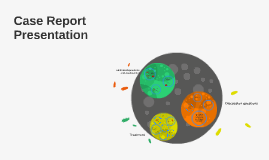
Transcript: Encourage audience participation Questions and Answers Clarify complex points Address specific inquiries Summarize key takeaways Foster an open discussion Case Report Presentation An in-depth analysis of a specific medical case to highlight unique findings and implications for practice. This case underscores the critical role of early diagnosis and individualized treatment strategies in enhancing patient outcomes, advocating for the necessity of personalized medical approaches in clinical practice. Conclusion and Recommendations Patient Demographics Overview of the patient's key demographic factors and medical background. Persistent Headaches Shortness of Breath Episodes of Dizziness The patient presented with persistent headaches lasting for two weeks, which intensified in severity and frequency. The headaches were accompanied by sensitivity to light and nausea. The patient experienced shortness of breath during physical activity, which had progressively worsened over three weeks. This symptom was particularly noticeable during mild exertion, such as climbing stairs. The patient reported episodes of dizziness that occurred sporadically over a month. These episodes were often triggered by sudden movements but were not associated with any loss of consciousness. 45y Female Caucasian Hypertension, diabetes Presenting Symptoms Age Gender Ethnicity Relevant Medical History Treatment Plan Diagnostic Procedures A structured approach to the patient's treatment process, outlining key interventions and their objectives. Step 1: Initial Management Step 3: Follow-up and Maintenance Step 2: Monitoring and Adjustments Initiation of treatment protocol based on the patient's condition and clinical guidelines. Establishment of long-term management strategies to ensure sustained recovery and health. A chronological overview of the diagnostic steps taken to assess the patient's condition. Introduction to Case Report Continuous evaluation of the patient's response to treatment and necessary modifications. This case report provides critical insights into a unique clinical scenario, emphasizing its relevance to current medical understanding and practice. By documenting this case, we aim to contribute to the body of medical literature, highlighting significant findings and fostering discussion among healthcare professionals. Outcome and Follow-up After treatment, the patient showed significant improvement in symptoms, with a complete resolution of the primary condition within three months. Follow-up assessments indicated stable health status, and a further appointment is scheduled for six months to monitor any potential recurrences. 2023-01-15 2023-01-10 Imaging studies, including X-rays and CT scans, were performed, showing significant findings related to the patient's condition. Initial examination revealed abnormal vital signs and physical findings indicating potential underlying issues. 2023-01-12 Laboratory tests conducted included blood work, revealing elevated levels of specific biomarkers indicating inflammation. Discussion and Analysis Unique Case Features Comparison to Existing Literature Unique aspects of this case include the patient's rare combination of symptoms and response to treatment, which has not been documented extensively in existing literature. Additionally, the integration of personalized treatment strategies may offer new insights into managing similar cases, paving the way for further research into tailored healthcare approaches. This case presents a thorough analysis in comparison to existing literature, highlighting key similarities and discrepancies with documented cases. The patient's symptoms, diagnostic results, and treatment responses align with certain studies, yet diverge in areas such as demographic responses and treatment efficacy, underscoring the variability in patient outcomes.

 Prezi Present

 Prezi Video

 Prezi Design