You're about to create your best presentation ever

Business Style Powerpoint Template

Create your presentation by reusing a template from our community or transition your PowerPoint deck into a visually compelling Prezi presentation.

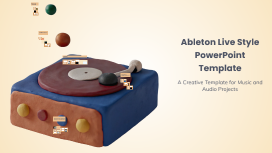
Ableton Live Style PowerPoint Template

Transcript: Overview of Ableton Live Introduction to Ableton Live Ableton Live is a leading software used by musicians and producers for creating, recording, and performing music. Its flexible interface and extensive features make it popular in studios and live environments. Purpose of the Template The Ableton Live style PowerPoint template is crafted to enhance presentations related to music and audio projects. It aims to provide an engaging and visually appealing format that aligns with the creative nature of audio production. Key Features This template features a modern design, vibrant colors, and music-themed graphics that resonate with the audio industry. Key functionalities include easy customization and compatibility with various presentation formats, ensuring a professional touch. Design Elements Color Palette The color palette of the Ableton Live style template consists of vibrant and dynamic hues, primarily using blacks, whites, and neon colors. This color combination not only creates a modern aesthetic but also enhances readability and ensures that the focus remains on the content during presentations. Typography The typography in the template features bold, sans-serif fonts that are clean and contemporary. This choice improves legibility and establishes a cohesive style throughout the presentation, making it suitable for various audiences from casual listeners to industry professionals. Layout Structure The layout structure of the template is designed for maximum impact, featuring clear divisions and ample whitespace. This organization allows for a smooth flow of information and helps to guide the audience's attention effectively during the presentation. Ableton Live Style PowerPoint Template Usability Compatibility with PowerPoint Template Navigation Customization Options The template is fully compatible with PowerPoint, ensuring users can present their work without compatibility issues. This compatibility guarantees that all design features and functionalities are preserved across different formats and devices. The template offers extensive customization capabilities, allowing users to modify color schemes, fonts, and layouts to align with their individual branding. With easy-to-use design tools, tailoring each presentation becomes efficient and seamless, requiring no advanced design skills. Users benefit from an intuitive navigation structure, enabling quick access to various template slides and features. The navigation design enhances workflow efficiency, allowing users to seamlessly transition between sections without losing context. Applications of Ableton Live Template Music Presentations The Ableton Live template is ideal for music presentations, allowing artists to share their vision and work dynamically. Its design enhances engagement with visuals that mirror the energy of the music, making for a memorable experience. Audio Project Showcases Presenting audio projects requires clarity and professionalism, both of which the Ableton Live template provides. Detailed layouts enable project breakdowns, illustrating technical aspects and creative processes effectively. A Creative Template for Music and Audio Projects Educational Use Cases For educational purposes, the Ableton Live template supports dynamic lectures and workshops on music production. It facilitates the breakdown of complex concepts, making learning accessible and engaging for students. Conclusion Summary of Benefits The Ableton Live style template provides an innovative approach to presentation design, combining vibrant aesthetics with practical functionality. It is ideal for musicians and educators, ensuring engaging and visually compelling presentations that effectively communicate messages across various platforms. Call to Action Begin using the Ableton Live style PowerPoint template today to transform your presentations into memorable experiences. Harness the power of creative design and effective storytelling to captivate your audience and communicate your message with clarity and style. Final Thoughts Utilizing an Ableton Live style template can significantly elevate the quality of presentations by merging artistic creativity with structured content. This approach not only enhances audience engagement but also leaves a lasting impression on viewers, reinforcing the message presented effectively.

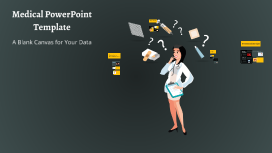
Medical PowerPoint Template

Transcript: Medical PowerPoint Template Design Elements Color Schemes for Medical Presentations Font Selection for Readability Color schemes significantly affect audience understanding and retention. In medical presentations, using blue and green hues promotes calmness and trust, while contrasting colors can highlight key information and enhance visibility. Choosing the right font is crucial for comprehension. Sans-serif fonts like Arial or Helvetica are recommended as they are easier to read on screens. Always ensure that text is large enough to be legible from a distance. Incorporating Graphics and Images Layout and Structure Incorporating relevant graphics can enhance understanding and retention of complex ideas. Use high-quality images, charts, or diagrams that directly relate to the content to support the narrative without overcrowding the slide. A well-structured layout guides the audience’s eye and improves information flow. Utilize a grid system to maintain alignment and consistency, making sure to reserve space for visual elements. Balance text with images to avoid clutter. A Blank Canvas for Your Data Presentation Tips Best Practices for Delivery Content Organization in Medical Presentations Engaging Your Audience Practicing your presentation can lead to smoother delivery and reduced anxiety. Utilize appropriate body language, voice modulation, and eye contact to foster a connection with the audience, making your message more impactful. Audience engagement is critical for effective communication. Techniques include asking rhetorical questions, using relatable examples, and incorporating multimedia elements to maintain interest and encourage participation. Title Slides and Headings Introduction to Medical Presentations Title slides set the stage for your presentation and should include the topic, your name, and the date. Headings throughout the presentation guide the audience through the narrative and facilitate smooth transitions between topics, ensuring clarity and focus on key messages. Bullet Points vs. Paragraphs Handling Questions and Feedback Bullet points provide concise and digestible pieces of information, making it easier for the audience to follow along. In contrast, paragraphs may be necessary for complex concepts but should be used sparingly to maintain attention and avoid overwhelming the viewer. Practicing and Timing Your Presentation Using Tables and Charts Tables and charts effectively present quantitative data, making complex information more approachable. They facilitate quick understanding of trends and relationships within data, enhancing the audience’s ability to interpret clinical findings or statistical results. Rehearse your presentation multiple times to refine your delivery and timing. Understanding how long each section takes helps ensure that you cover all material without rushing or exceeding your allotted time. Encourage questions to create a dialogue with your audience. Responding thoughtfully to feedback shows respect for their input and enhances clarity for everyone involved, improving overall comprehension. Citing Sources and References Importance of Visual Aids Citing sources is crucial in maintaining credibility and allowing the audience to explore further. Proper referencing not only attributes the original work but also strengthens arguments presented in the medical content, supporting evidence-based practice. Visual aids play a crucial role in medical presentations by simplifying complex information. They help audiences grasp essential concepts quickly, improving retention and engagement through the use of charts, images, and videos. Overview of PowerPoint Features PowerPoint offers various features to enhance medical presentations, including templates specifically designed for medical content, the ability to incorporate multimedia, and options for animations that can illustrate processes or changes over time. Objectives of the Medical Template The medical PowerPoint template serves to streamline the creation of presentations by providing a standardized format. This ensures consistency in design and aids users in organizing their data effectively for clarity and impact.

Editable PowerPoint Template

Transcript: Editable PowerPoint Template Guiding Principles for Effective Presentations Design Principles Introduction to Editable Templates Consistency in Style Color Schemes and Branding Maintaining a consistent style throughout a presentation reinforces the brand image and enhances comprehension. Consistent elements, such as color, fonts, and layouts, help the audience follow the narrative without distractions. A well-chosen color scheme can evoke specific emotions and create a memorable experience. Aligning color choices with branding principles ensures recognition and reinforces your message effectively across all slides. Visual Hierarchy and Layout Definition and Purpose Font Selection and Readability Establishing a clear visual hierarchy guides the viewer's attention to the most critical information. Effective layout techniques, such as balancing text and images, can ensure that key points stand out in your presentation. Overview of PowerPoint Benefits Editable templates are pre-designed formats that allow users to modify content, layout, and design. Their primary purpose is to save time and maintain consistency in presentations across different topics and audiences. Choosing the right fonts is crucial for readability and engagement. Sans-serif fonts are generally preferred in presentations due to their clean lines, while limiting the number of font types maintains visual clarity. PowerPoint simplifies the presentation creation process through intuitive tools and features, such as templates, animations, and multimedia integration. Its widespread use ensures compatibility, making it accessible for diverse audiences. Importance of Editable Formats Examples of Use Cases Editable formats promote collaboration among team members, allowing multiple users to contribute to a single presentation without confusion. They enhance adaptability to specific audience needs, ensuring relevant and impactful communication. Editable templates can be applied in various scenarios, including corporate training sessions, educational lectures, and marketing presentations. They help to tailor content to specific objectives while maintaining a professional appearance. Content Guidelines Structuring Your Narrative Incorporating Data Visualizations Use charts and graphs to represent complex data simply, making it easier for the audience to grasp key points. Ensure visualizations are labeled correctly, providing context to avoid misinterpretation. Organize content logically, beginning with a clear introduction, followed by key points and a strong conclusion. Each section should transition smoothly to maintain audience engagement and ensure key messages are memorable. Effective Use of Text and Images Engaging Your Audience Customization Tips Balance text and visuals to enhance understanding, ensuring that images complement and reinforce the message rather than distract. Limit text on slides to key phrases to promote clearer communication and retention. Use interactive elements such as polls, questions, or discussions to foster audience participation and create a dynamic atmosphere. Understanding your audience and addressing their interests can significantly enhance engagement levels. Adding Multimedia Elements Altering Templates for Your Needs Customize templates to reflect your unique branding and message. Adjust colors, fonts, and layouts to better align with your content's theme and improve audience engagement. Take advantage of template features to create a distinct visual identity. Incorporate videos, audio clips, and animations to create dynamic presentations. Multimedia can significantly enhance the storytelling aspect, making information more compelling and easier to retain for your audience. Saving and Sharing Templates Best Practices for Adaptation After customization, save templates in accessible formats for future use. Use cloud services for easy sharing among team members, ensuring everyone has the most up-to-date version to maintain consistency in presentations. When adapting templates, keep the audience's needs and perceptions in mind. Use feedback to refine designs and ensure your modifications serve the original purpose while enhancing clarity and effectiveness.

Islamic Style PowerPoint Template Design

Transcript: Importance of Natural Light Natural light is not only valued for its aesthetic appeal but also for its spiritual significance. In Islamic architecture, elements like large windows and skylights are designed to invite sunlight and promote a sense of tranquility and connection with nature. Types of Lighting Fixtures Decorative Lighting Techniques Techniques such as using colored glass, intricate wood carvings, and patterned screens create captivating lighting effects in Islamic interiors. These techniques soften light and enhance the beauty of the architectural features, creating a unique ambiance. Islamic interiors utilize a variety of lighting fixtures, such as lanterns, sconces, and chandeliers. These fixtures often showcase intricate designs, featuring geometric patterns and calligraphy, reflecting the rich cultural heritage of Islamic architecture. Geometry and Symmetry Patterns and Motifs Traditional Color Schemes Common Materials Used Patterns in Textiles Geometry in Islamic architecture plays a pivotal role, symbolizing the infinite nature of the universe. Symmetry is employed to create balance and harmony, often seen in mosque layouts and decorative elements, enhancing the spiritual experience for visitors. Islamic design traditionally uses rich jewel tones such as emerald green, deep blue, and ruby red, often contrasted with gold and white accents. These colors are deeply rooted in cultural and religious significance, symbolizing peace, spirituality, and nature. Islamic patterns and motifs serve both decorative and symbolic purposes, representing unity, eternity, and the divine. These designs are characterized by intricate repetitions and are commonly found on tiles, walls, and textiles, creating a mesmerizing visual experience. Spatial Layout and Functionality Calligraphy Islamic interiors often feature textiles made from natural fibers such as cotton, silk, and wool. These materials are not only durable but also contribute to a warm, inviting atmosphere. Additionally, the use of intricate embroidery and embellishments adds depth and visual interest to the fabrics employed in these designs. Multi-functional Areas Psychological Effects of Color Islamic textiles are characterized by geometric patterns, floral motifs, and intricate designs that symbolize paradise and spirituality. The repetitive nature of these patterns reinforces the harmony in Islamic art and can be used to create a sense of rhythm within a space, making the interiors dynamic and engaging. The spatial layout in Islamic interior design reflects cultural values and enhances functionality. A balance between open and closed spaces facilitates movement and interaction while offering privacy. Color Palettes in Islamic Design Designing multi-functional spaces allows for versatility, adapting to various guest needs. Features like convertible furniture or flexible layouts can transform a lounge into a conference area, enhancing usability and maximizing space. Lighting in Islamic Interiors Colors influence mood and behavior significantly. In Islamic design, green evokes tranquility and harmony, while red can represent power and passion, enhancing the overall experience in resort hotels by creating specific atmospheres. Calligraphy is a revered art form in Islamic culture, used to convey sacred texts and enhance architectural beauty. The use of Arabic script embellishes walls and spaces, merging art with spirituality and serving as both decoration and communication of faith. Color plays a significant role in Islamic design, invoking cultural meanings and enhancing the aesthetics of interior spaces. The application of traditional color schemes influences emotional responses and creates a unique ambiance in resort hotels. Key Elements of Islamic Architecture Open vs. Closed Spaces Flow and Movement Open spaces promote community and foster interaction among guests, suitable for lobbies and communal areas. Closed spaces, such as private suites, offer tranquility and personal retreat while maintaining a connection to the overall design theme. A well-designed spatial layout ensures seamless flow, guiding guests naturally through the space. Consider integrating pathways that connect different areas, enhancing the guest experience by facilitating ease of movement without congestion. Color Combinations Islamic architecture is characterized by its intricate use of geometric patterns, symmetry, and elegant calligraphy, forming a unique aesthetic that reflects spiritual beliefs and cultural identity. Understanding these key elements is essential to appreciate the depth and beauty of Islamic design in contemporary settings. Incorporating Fabrics into Design Effective color combinations in Islamic design often include complementary and analogous schemes. For instance, combining turquoise with warm beige creates a serene yet inviting space, essential for resort hotel aesthetics. Fabrics can be strategically integrated into Islamic interior spaces through

Modern Business PowerPoint Template

Transcript: Best Practices for Business Presentations Implementing effective strategies to enhance presentation impact. Ongoing Maintain slide conciseness by limiting text and focusing on key messages. Final Thoughts and Customization This modern business PowerPoint template serves as a versatile framework that can enhance your presentations. The next steps include tailoring the template to reflect your brand's identity through color customization and layout adjustments, ensuring it meets your specific business needs. Use High-Quality Images Images should be high-quality and relevant to the topic to create a professional appearance and enhance understanding. Incorporate Meaningful Icons Incorporating Visual Elements Icons can simplify complex information and serve as visual cues to guide the audience through key points. Utilize Data Visualizations Charts and graphs can effectively convey data in a visually appealing way, making it easier for the audience to interpret and retain information. Modern Business PowerPoint Template Exploring a Sleek and Contemporary PowerPoint Template Design for Businesses Importance of Typography in Business Presentations Typography plays a vital role in ensuring readability and conveying brand identity. This template features contemporary font selections that enhance clarity and complement the chosen color palette, creating a cohesive look throughout the presentation. Introducing a Modern Business PowerPoint Template Text-Heavy Slides Image-Focused Slides Vibrant Teal: #00a180 Dark Gray: #313233 The primary color #00a180 is a vibrant teal, ideal for accents and highlights. It conveys freshness and modernity, making it suitable for business presentations. The dark gray #313233 serves as a strong background or text color, providing excellent contrast for readability and a professional appearance. The template provides a variety of slide layouts designed to cater to different content needs. Text-heavy slides focus on delivering detailed information clearly, while image-focused slides highlight visuals to enhance engagement. Comparison slides allow for direct juxtaposition of ideas or products, making it easier for the audience to understand differences or similarities. This template is designed with a focus on clarity and professionalism, incorporating a cohesive color palette that enhances visual appeal and supports effective communication. Its modern aesthetics aim to engage audiences while delivering content succinctly. In contrast, the flexibility of these layouts enables users to create presentations that are both informative and visually appealing. This adaptability ensures that the message is communicated effectively, regardless of the slide type used. Each layout is designed with modern aesthetics in mind, aligning with the overall professional tone of the template. Muted Gray: #7d7a77 White: #FFFFFF Overview of the Color Palette The muted gray #7d7a77 complements the palette by adding warmth and sophistication, suitable for secondary elements. White (#FFFFFF) is essential for creating space and contrast, ensuring that text and visuals stand out effectively. Black: #000000 Light Gray: #ADB5BD Black (#000000) is bold and authoritative, perfect for text and key design elements that require emphasis. Light gray #ADB5BD introduces a softer tone to the palette, balancing darker colors and enhancing overall aesthetics.

Now you can make any subject more engaging and memorable