You're about to create your best presentation ever

Auction Powerpoint Template

Create your presentation by reusing a template from our community or transition your PowerPoint deck into a visually compelling Prezi presentation.

Medical PowerPoint Template

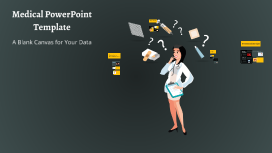
Transcript: Medical PowerPoint Template Design Elements Color Schemes for Medical Presentations Font Selection for Readability Color schemes significantly affect audience understanding and retention. In medical presentations, using blue and green hues promotes calmness and trust, while contrasting colors can highlight key information and enhance visibility. Choosing the right font is crucial for comprehension. Sans-serif fonts like Arial or Helvetica are recommended as they are easier to read on screens. Always ensure that text is large enough to be legible from a distance. Incorporating Graphics and Images Layout and Structure Incorporating relevant graphics can enhance understanding and retention of complex ideas. Use high-quality images, charts, or diagrams that directly relate to the content to support the narrative without overcrowding the slide. A well-structured layout guides the audience’s eye and improves information flow. Utilize a grid system to maintain alignment and consistency, making sure to reserve space for visual elements. Balance text with images to avoid clutter. A Blank Canvas for Your Data Presentation Tips Best Practices for Delivery Content Organization in Medical Presentations Engaging Your Audience Practicing your presentation can lead to smoother delivery and reduced anxiety. Utilize appropriate body language, voice modulation, and eye contact to foster a connection with the audience, making your message more impactful. Audience engagement is critical for effective communication. Techniques include asking rhetorical questions, using relatable examples, and incorporating multimedia elements to maintain interest and encourage participation. Title Slides and Headings Introduction to Medical Presentations Title slides set the stage for your presentation and should include the topic, your name, and the date. Headings throughout the presentation guide the audience through the narrative and facilitate smooth transitions between topics, ensuring clarity and focus on key messages. Bullet Points vs. Paragraphs Handling Questions and Feedback Bullet points provide concise and digestible pieces of information, making it easier for the audience to follow along. In contrast, paragraphs may be necessary for complex concepts but should be used sparingly to maintain attention and avoid overwhelming the viewer. Practicing and Timing Your Presentation Using Tables and Charts Tables and charts effectively present quantitative data, making complex information more approachable. They facilitate quick understanding of trends and relationships within data, enhancing the audience’s ability to interpret clinical findings or statistical results. Rehearse your presentation multiple times to refine your delivery and timing. Understanding how long each section takes helps ensure that you cover all material without rushing or exceeding your allotted time. Encourage questions to create a dialogue with your audience. Responding thoughtfully to feedback shows respect for their input and enhances clarity for everyone involved, improving overall comprehension. Citing Sources and References Importance of Visual Aids Citing sources is crucial in maintaining credibility and allowing the audience to explore further. Proper referencing not only attributes the original work but also strengthens arguments presented in the medical content, supporting evidence-based practice. Visual aids play a crucial role in medical presentations by simplifying complex information. They help audiences grasp essential concepts quickly, improving retention and engagement through the use of charts, images, and videos. Overview of PowerPoint Features PowerPoint offers various features to enhance medical presentations, including templates specifically designed for medical content, the ability to incorporate multimedia, and options for animations that can illustrate processes or changes over time. Objectives of the Medical Template The medical PowerPoint template serves to streamline the creation of presentations by providing a standardized format. This ensures consistency in design and aids users in organizing their data effectively for clarity and impact.

PowerPoint Presentation Template

Transcript: Introduction to PowerPoint Designing Effective Slides Importance of Visuals Visuals play a crucial role in retaining information, with studies showing that people remember 80% of what they see compared to just 20% of what they read. Incorporating images, graphs, and diagrams can clarify complex concepts, making them easier to understand and recall. Benefits in Education PowerPoint presentations promote active learning by encouraging interaction and participation. They provide a structured format that helps educators convey information efficiently, making lessons more engaging and memorable for students. Overview of Template Features Choosing the Right Colors Modern PowerPoint templates include various features such as built-in design ideas, customizable layouts, and multimedia integration. These features can streamline the creation process, allowing educators to focus on content delivery rather than design. Typography Best Practices Color choice significantly impacts audience perception and emotional response. Utilize complementary colors for contrast and legibility, ensuring text is easy to read against backgrounds. Consider color psychology while selecting palettes to evoke desired feelings related to your content. User-Friendly Design Elements Effective typography enhances readability and accentuates crucial information. Use no more than two font families, maintain adequate contrast between text and background, and keep font sizes consistent—generally, 24pt for headings and 18pt for body text work best. Animations and Transitions Incorporating Graphics and Images Animations should be used sparingly to avoid distracting the audience. Subtle transitions can guide attention and maintain flow, while key points may be animated for emphasis, helping to engage viewers without overwhelming them. Visuals can reinforce messages and make slides more engaging. Limit image use to enhance rather than clutter, selecting high-quality graphics that support the content and ensure they're relevant to the key points being communicated. Enhancing Audience Engagement Content Structuring Techniques An Educational Resource for Engaging Learning Incorporating Data and Charts Outlining Key Points Q&A Sessions Interactive Elements Incorporating interactive elements like polls, quizzes, and live demonstrations enhances engagement. Research indicates that interactive presentations can increase retention by 50%, making the learning experience more dynamic and memorable. Visual data representation through charts can highlight trends and insights effectively, aiding understanding. Graphs and infographics can convey complex information quickly, making them essential tools for impactful presentations. Clear outlines serve as roadmaps, guiding both presenter and audience through the content. By identifying primary topics and subtopics, speakers can enhance focus and ensure comprehensive coverage of essential material in educational presentations. Q&A sessions facilitate real-time interaction, allowing audience members to address their specific inquiries. This not only clarifies doubts but also fosters a sense of community and open dialogue, increasing audience investment in the material. Feedback Mechanisms Best Practices for Delivery Engaging Storytelling Methods Using Bullet Points vs. Text Implement feedback mechanisms such as surveys or feedback forms post-presentation. This provides valuable insights for improvement and shows the audience their opinions are valued, further enhancing engagement. Effective delivery can significantly boost audience engagement. Key practices include maintaining eye contact, using varied vocal tones, and practicing clear body language to foster a more engaging atmosphere throughout the presentation. Bullet points simplify information, allowing key ideas to stand out without overwhelming the audience. They enhance retention by categorizing concepts, while full text blocks can dilute focus and engagement in presentations. Storytelling captivates audiences, allowing them to relate to the material personally. Incorporating storytelling techniques can enhance emotional connection, making the content more relatable and memorable for learners.

PowerPoint Template Design

Transcript: Conclusion and Next Steps Summarizing the presentation and outlining future actions for effective PowerPoint utilization. PowerPoint Template Design Key Points Summary Summarize the essential elements discussed in the presentation, emphasizing the importance of the selected template and animations. Utilizing the PowerPoint Outline clear next steps for the audience to implement the PowerPoint effectively in their context. Creating Engaging Presentations with Dynamic Animations Animated Slides Static Slides Animated slides introduce movement and transitions, capturing audience attention and enhancing engagement. They can highlight key points effectively but may also risk overwhelming viewers if not used judiciously. Static slides provide a straightforward presentation of information, allowing for easy comprehension without distractions. They are ideal for simple data, ensuring that the audience can focus entirely on the message being conveyed. Template Requirements Cohesive Look Brand Alignment Audience Engagement Templates provide a cohesive look, making it easier for the audience to follow the content and key messages. A well-designed template aligns with the branding and theme of the presentation, ensuring consistency throughout. Utilizing a specific template helps to facilitate audience engagement by providing a visually appealing structure. Clearly Defined Key Elements Incorporation of Visual Aids Well-Organized Structure Key elements such as objectives, main topics, and conclusions are clearly outlined, providing a roadmap for the audience. The PowerPoint is meticulously organized to ensure a coherent flow of information, making it easy for the audience to follow along. Visual aids and animations will be incorporated to enhance engagement and understanding, making the presentation more dynamic. Overview of the PowerPoint Setting the Stage for Our Discussion This presentation outlines key aspects of the upcoming content, providing a framework for understanding the topic and its relevance.

Medical PowerPoint Template

Transcript: Medical PowerPoint Template Design Principles Color Schemes and Branding Visual Hierarchy Visual hierarchy is crucial in guiding the audience's attention through a presentation. Utilize size, color, and placement to prioritize content, ensuring key messages are easily identifiable and understood. Consistent color schemes reinforce branding and improve audience recall. Use colors that align with medical themes—calm blues and greens can evoke trust and professionalism, while contrasting colors can highlight crucial information. Use of Images and Graphics Text Layout and Readability High-quality images and graphics enhance engagement and understanding. Infographics can simplify complex data, while images of medical procedures or devices add relevance and clarity, strengthening the narrative. Effective text layout involves concise wording and appropriate font sizes to ensure legibility. Aim for a balance between text quantity and whitespace, facilitating easier reading and comprehension for the audience. Mastering Presentation Delivery A Comprehensive Guide for Healthcare Presentations Engaging Your Audience Content Development in Medical Presentations Public Speaking Tips Engagement can be achieved through interactive elements like polls or questions. Personal anecdotes related to medical scenarios can make the presentation more relatable and memorable. To improve public speaking skills, practice regularly and seek constructive feedback. Familiarity with material and the use of visual aids can significantly bolster confidence and audience engagement. Structuring Your Presentation Introduction to Medical Presentations A well-structured presentation follows a clear path to facilitate understanding. Start with an introduction, followed by the main content organized into sections, leading to a strong conclusion that summarizes key points. Integrating Data and Statistics Feedback and Improvement Techniques Incorporate relevant data and statistics to support your claims and enhance credibility. Use visuals like charts and graphs to illustrate key points, making complex information more digestible. Handling Technical Issues Storytelling in Medicine Utilizing storytelling can make medical presentations more relatable and memorable. Share real-life patient stories to humanize statistics and engage your audience emotionally. Soliciting audience feedback post-presentation aids in identifying areas for improvement. Regularly reviewing recordings of your presentations can help refine delivery style and content structure. Technical difficulties can arise unexpectedly; always have a backup plan, such as printed slides or alternative equipment. Familiarize yourself with the technology in advance to minimize disruptions. Preparing for Q&A Sessions Anticipating questions and preparing succinct answers is essential for a successful Q&A session. Familiarize yourself with potential inquiries and be ready to provide clarifications and additional insights as needed. Importance of Effective Communication Effective communication in medical presentations ensures that crucial information is conveyed accurately. This reduces misunderstandings and promotes better patient care, educational outcomes, and collaboration among healthcare professionals. Key Elements of Medical Presentations Understanding the Audience Key elements include a well-structured format, clear visuals, and concise language. Presentations should aim for a logical flow while emphasizing important data to facilitate understanding and retention. Recognizing the audience's background and knowledge level is vital for tailoring the presentation. Adjusting content complexity and focusing on relevant topics can lead to more effective engagement and learning. Common Presentation Platforms Common platforms for medical presentations include PowerPoint, Google Slides, and Prezi. These tools offer features for animation, data visualization, and collaboration, enhancing the overall effectiveness of presentations.

Editable PowerPoint Template

Transcript: Editable PowerPoint Template Guiding Principles for Effective Presentations Design Principles Introduction to Editable Templates Consistency in Style Color Schemes and Branding Maintaining a consistent style throughout a presentation reinforces the brand image and enhances comprehension. Consistent elements, such as color, fonts, and layouts, help the audience follow the narrative without distractions. A well-chosen color scheme can evoke specific emotions and create a memorable experience. Aligning color choices with branding principles ensures recognition and reinforces your message effectively across all slides. Visual Hierarchy and Layout Definition and Purpose Font Selection and Readability Establishing a clear visual hierarchy guides the viewer's attention to the most critical information. Effective layout techniques, such as balancing text and images, can ensure that key points stand out in your presentation. Overview of PowerPoint Benefits Editable templates are pre-designed formats that allow users to modify content, layout, and design. Their primary purpose is to save time and maintain consistency in presentations across different topics and audiences. Choosing the right fonts is crucial for readability and engagement. Sans-serif fonts are generally preferred in presentations due to their clean lines, while limiting the number of font types maintains visual clarity. PowerPoint simplifies the presentation creation process through intuitive tools and features, such as templates, animations, and multimedia integration. Its widespread use ensures compatibility, making it accessible for diverse audiences. Importance of Editable Formats Examples of Use Cases Editable formats promote collaboration among team members, allowing multiple users to contribute to a single presentation without confusion. They enhance adaptability to specific audience needs, ensuring relevant and impactful communication. Editable templates can be applied in various scenarios, including corporate training sessions, educational lectures, and marketing presentations. They help to tailor content to specific objectives while maintaining a professional appearance. Content Guidelines Structuring Your Narrative Incorporating Data Visualizations Use charts and graphs to represent complex data simply, making it easier for the audience to grasp key points. Ensure visualizations are labeled correctly, providing context to avoid misinterpretation. Organize content logically, beginning with a clear introduction, followed by key points and a strong conclusion. Each section should transition smoothly to maintain audience engagement and ensure key messages are memorable. Effective Use of Text and Images Engaging Your Audience Customization Tips Balance text and visuals to enhance understanding, ensuring that images complement and reinforce the message rather than distract. Limit text on slides to key phrases to promote clearer communication and retention. Use interactive elements such as polls, questions, or discussions to foster audience participation and create a dynamic atmosphere. Understanding your audience and addressing their interests can significantly enhance engagement levels. Adding Multimedia Elements Altering Templates for Your Needs Customize templates to reflect your unique branding and message. Adjust colors, fonts, and layouts to better align with your content's theme and improve audience engagement. Take advantage of template features to create a distinct visual identity. Incorporate videos, audio clips, and animations to create dynamic presentations. Multimedia can significantly enhance the storytelling aspect, making information more compelling and easier to retain for your audience. Saving and Sharing Templates Best Practices for Adaptation After customization, save templates in accessible formats for future use. Use cloud services for easy sharing among team members, ensuring everyone has the most up-to-date version to maintain consistency in presentations. When adapting templates, keep the audience's needs and perceptions in mind. Use feedback to refine designs and ensure your modifications serve the original purpose while enhancing clarity and effectiveness.

Auction Education PowerPoint

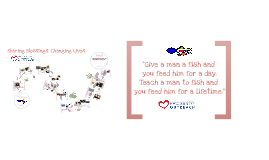
Transcript: because food for a day just isn't enough... Health Classes and Yoga English as a Second Language (ESL) Life skills "Yes I Can" After school Program Students enroll in GED classes in the hopes of getting their high school diploma. Many of them to get would also like to get a Work Keys certificate to get better employment. With the help of many volunteers, the program has grown over the years and students are able to work in smaller groups to focus on the skills they need the most. "Yes I Can" Summer Camp Monthly Health classes teach students about making smart life-style choices. Weekly Yoga classes help to ensure that participants get a chance to unwind and get in shape. Parenting classes are open to the public. Once a month parents cover topics such as: different parenting styles, how to communicate with your child, and the importance of spending quality time with your children. “Yes, I Can” after school program meets Monday through Thursday from 3:30 – 4:30 pm during the school year and is designed to assist elementary school age children with their homework and basic academic skills. This year, thanks to volunteers, we were able to accept 41 children! Sharing Blessings. Changing Lives. Arts and Crafts Every July, Our Lady of Mercy Community Outreach is flooded with excited children eager to beat the summer heat. Financial Peace University and Budgeting English as a Second Language classes are offered in the morning and evening. Students range in age from 18-65. They come from a variety of backgrounds most, however, are from Central and Southern America. They are working hard on their language skills, many come to class after a 12 hr day at work. Once their English improves, students are able to find better employment and help their children with homework. Students attend various life-skills classes that include: computer classes, couponing, Darkness to Light training, hurricane preparedness, smoking cessation and much more. "Give a man a fish and you feed him for a day. Teach a man to fish and you feed him for a lifetime." Our Lady of Mercy Community Outreach The Early Childhood Development program accepts children 18 months to 4 years old. Once a month, parents get to spend quality time with their children during "lapsit", which shows parents how to productively play with their children. GED Classes @ Everyone that comes in for financial help is required to come to a budgeting class to help them organize their finances. In 2011, Financial Peace University was also added to the program offerings to give students a comprehensive financial plan. Early Childhood Development Participants gather to work on individual and group projects with materials and sewing machines donated through Our Lady of Mercy Community Outreach. A diverse group of women work together all year to donate items for the annual Auction. Sharing of ideas and skills knits this group together! Our Lady Of Mercy Community Outreach Educational Programs Teaching communities how to fish Quilting and Sewing Classes Parenting Classes Local artists teach both children and adults to paint and make different crafts such as pillows and stained glass. Join us on our journey of sharing blessings through education and changing lives

Now you can make any subject more engaging and memorable