You're about to create your best presentation ever

Presentation Template Office

Create your presentation by reusing one of our great community templates.

Presentation Template

Transcript: Designing Your Presentation Structuring Content Effectively Color Schemes and Fonts Choosing the Right Layout Incorporating Visuals and Graphics A clear structure is vital for effective presentations. The rule of three can be applied, presenting ideas in groups of three for easier digestion. Use bullet points and numbered lists to enhance clarity and flow. Color schemes set the mood and enhance readability. A limited palette of 2-3 colors with contrasting tones is more effective. Choose fonts that align with the presentation tone; sans-serif for modern looks and serif for traditional presentations are common choices. The layout determines visual hierarchy and readability. Common layouts include slides designed for text-heavy content versus those emphasizing visuals, such as images or infographics. A well-structured layout improves audience retention of information. Visuals, such as images and charts, capture attention more than text alone. Research shows that visuals can improve information retention by up to 65%. Infographics help in simplifying complex data for better understanding. Introduction to Research Topic Templates serve as a blueprint for presentations, providing consistency in design and structure. They save time and ensure that crucial elements are not overlooked, enhancing overall communication and engagement with the audience. Components of a Good Template A good presentation template includes essential elements such as a title slide, content layout, visual hierarchy, and consistent color schemes. Each component must work together to enhance readability and visual appeal, guiding the audience through the information seamlessly. Types of Presentation Templates There are various types of presentation templates including pitch decks, educational lectures, and marketing presentations. Each type is tailored to specific communication needs and audience expectations, ensuring clarity and relevance of the content. Best Practices for Presentations Visual Aesthetics in Templates Visual aesthetics, including color theory and typography, play a crucial role in presentation templates. Effective use of visuals can capture attention, reinforce messages, and promote retention, making the information more impactful. Relevance of the Current School Curriculum to future job market Demands Engaging Your Audience To capture attention, incorporate storytelling, relevant anecdotes, and interactive polls or questions. Research shows that audiences are 75% more likely to remember presentations that include interactions. Timing and Pacing Utilizing Technology and Tools Leverage tools like PowerPoint, Prezi, or interactive platforms such as Mentimeter for effective visuals and engagement. Utilizing technology not only makes your content more dynamic but also enhances understanding across diverse learning styles. Effective presentations balance content with timing. Aim for 1 minute per slide on average and leave time for questions; experts recommend 10-15% of total time for Q&A to enhance understanding and engagement. Handling Questions and Feedback Encourage questions by allocating specific time for audience interaction and demonstrating openness. Implementing a structured Q&A format can improve clarity and allows for deeper audience engagement while addressing common misconceptions. Conclusion and Next Steps Resources for Further Learning Recap of Key Points For those looking to refine their presentation skills, consider books like 'Presentation Zen' by Garr Reynolds and online courses on platforms such as Coursera or LinkedIn Learning. These resources offer advanced techniques and strategies for effective communication. Essential components of effective presentations include understanding your audience, utilizing engaging visuals, and structuring content for clarity. A well-designed template can significantly enhance the presentation experience for both the presenter and the audience. Call to Action for Practice Final Thoughts on Presentation Skills Mastering presentation skills not only enhances professional opportunities but also boosts personal confidence. Remember, effective communication is a key asset in any field, making it essential for career advancement. Regular practice is vital for mastery in presentations. Engage in public speaking groups like Toastmasters or seek opportunities to present at work to build confidence and receive constructive feedback.

Presentation Template

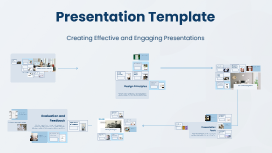
Transcript: Assets Presentation Template Creating Effective and Engaging Presentations Comment Color Schemes Color schemes impact perception and engagement. Utilizing complementary colors enhances readability and evokes emotional responses, while a consistent palette promotes professionalism and cohesiveness throughout the presentation. Why Are Presentations Important? Key Elements of a Good Presentation An effective presentation consists of clear objectives, engaging content, appealing visuals, and strong delivery. These elements work together to ensure the message is understood and retained by the audience. Presentations are a vital tool for conveying ideas and information in a concise manner. They help engage audiences, facilitate knowledge sharing, and support decision-making in various contexts, from business to education. Font Selection Storytelling Techniques Common Presentation Formats Using Data and Statistics Crafting a Compelling Conclusion Choosing the right fonts ensures readability and visual appeal. Sans-serif fonts are generally preferred for digital presentations, while contrasting font styles for headings and body text can enhance clarity. Introduction to Presentations Presentations can take various formats, including slideshows, verbal talks, and interactive workshops. Each format serves specific purposes and can be chosen based on the audience's needs and the presenter's objectives. A strong conclusion summarizes key takeaways and reinforces the significance of your message. Present a call to action, encouraging the audience to reflect or act upon the information, leaving a lasting impression. Understanding the essential features of effective presentations is crucial for successful communication. This section covers the importance of presentations, the key elements that make them effective, and how to tailor your message to your audience. Storytelling in presentations makes content relatable. Use personal anecdotes or case studies to illustrate points, weaving emotional connections that resonate with your audience and aid in memory retention of key messages. Incorporating relevant data strengthens your arguments and adds credibility. Utilize visuals like charts and graphs to present complex information clearly, ensuring that statistics are contextualized and connected directly to your overall narrative. Understanding Your Audience Setting Clear Objectives Visual Hierarchy Image Usage Creating Engaging Headlines Knowing your audience is crucial for tailoring your message effectively. Factors such as demographics, interests, and expertise level should inform the presentation's content and style for maximum impact. Defining clear objectives is essential for any presentation. Objectives guide the content and keep both the presenter and audience focused on the intended outcomes, ensuring effective communication. Visual hierarchy prioritizes information to guide the audience's focus. By varying font size, weight, and color, key points are emphasized, allowing for quicker understanding of the presented material. Images should complement the content, not overwhelm it. High-quality visuals can illustrate complex ideas, but maintaining relevance and context is crucial for impactful communication. Headlines serve as hooks to capture your audience’s interest. Craft headlines that are concise yet compelling, leveraging impactful words to convey the essence of each section, encouraging further engagement with the content that follows. Layout and Spacing Structuring Your Presentation Content Development Effective layout and spacing guide the audience's eye. Proper alignment and ample white space can enhance readability, prevent overcrowding, and create a more polished, professional appearance. A well-structured presentation enhances clarity and retention. Consider using a clear beginning, middle, and end, supplemented with transitions that guide the audience through your key points. Utilize frameworks like the Problem-Solution or Chronological approach depending on your topic. Effective content development is the backbone of any successful presentation. It involves careful structuring and engaging communication to ensure your message is understood and retained. Design Principles Effective design principles are fundamental for creating engaging presentations that hold the audience's attention. Understanding visual hierarchy, color schemes, font selection, image usage, and layout ensure that messages are conveyed clearly and professionally. Managing Nervousness Learning from Past Presentations Nervousness is common among presenters; techniques such as deep breathing, visualization, and practice can effectively manage it. Creating a clear structure for the presentation can also boost confidence and promote calmness during delivery. Incorporating Multimedia Reviewing recordings of past presentations can illuminate patterns in performance. This reflection enhances understanding of effective techniques and common

Dental Office Presentation Template

Transcript: Flexible design elements Customization Options User-friendly interface Pre-set themes available Interactive elements incorporation Adapt for various audiences Utilizing a structured presentation template in dental offices fosters clarity, enhances patient understanding, and improves overall communication within the practice. Take the next step by customizing this template to suit your specific needs and ensure effective delivery of important information. Customize Content for Your Audience Tailor the presentation material to the specific needs and interests of your audience, whether they are patients, dental professionals, or staff. Personalization can significantly improve engagement and comprehension. Use Visuals for Enhanced Understanding How to Use the Template Effectively Incorporate images, charts, and videos to clarify complex dental concepts. Visual aids can help convey information more effectively, making it easier for your audience to grasp important points. Practice for Clarity Rehearse your presentation multiple times to ensure smooth delivery. Familiarity with the content will help you communicate confidently and clearly, reducing anxiety and improving audience engagement. Conclusion and Next Steps Design Elements of the Template This presentation template is crafted with a focus on usability and aesthetics, ensuring that dental professionals can effectively communicate important information. It allows for easy customization, enabling practices to align the design with their unique branding and messaging needs. Introduction to the Presentation Template This presentation template is tailored for dental offices, offering a clear format that facilitates effective communication on dental care topics. It serves as a versatile tool for enhancing patient education and streamlining practice management presentations. Dental Office Presentation Template Practice Management Strategies Implementing effective strategies to optimize dental office operations and enhance patient experience. Efficient Scheduling Financial Management Practices Patient Follow-Up Systems Utilize advanced scheduling software to minimize wait times and maximize appointment slots. Integrate transparent billing processes and flexible payment options to enhance financial clarity for patients. Establish automated reminders and follow-up protocols to improve patient retention and satisfaction. A versatile blank template tailored for dental presentations, focusing on patient education and practice management. Overview of Dental Care Topics Patient Education Materials Highlighting essential areas for patient education and awareness in dental health. Brochures: Informative Handouts 70% 75% 60% Brochures are printed materials that provide concise information on various dental care topics, making them easy for patients to take home and reference. They can cover subjects such as oral hygiene, preventive care, and specific treatment options. of dental issues are preventable with proper care. of patients lack knowledge about oral hygiene practices. of patients report feeling less anxious when they understand treatment options. Dental professionals involvement Patients seeking dental care Videos: Engaging Visual Aids Target Audience Overview Administrative staff support Videos serve as dynamic visual tools that demonstrate dental procedures, patient testimonials, or educational content. They can enhance understanding and retention of information while also reducing patient anxiety regarding treatments. Dental students learning Streamline Presentations The template is designed to facilitate quicker assembly of presentations, reducing preparation time for dental professionals. Enhance Patient Education Purpose of the Template It provides clear and accessible information to help patients understand dental procedures and the importance of oral health. Improve Practice Management Communication The template helps in maintaining consistent messaging and clarity in communication within the practice, fostering better teamwork.

Now you can make any subject more engaging and memorable